
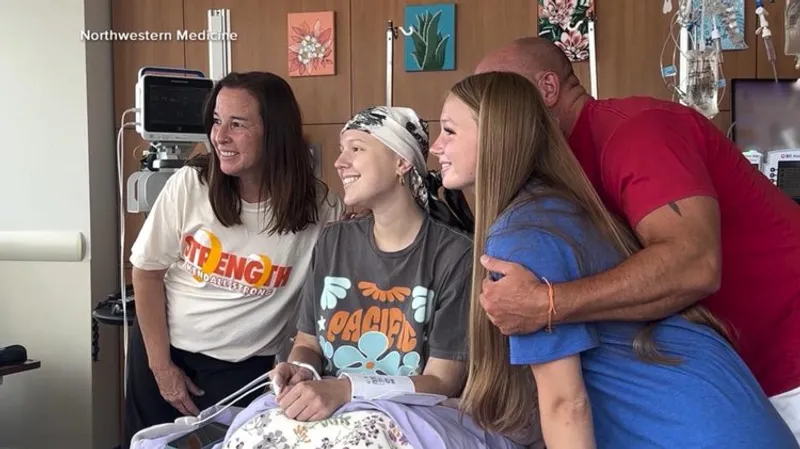
TLDR: A 21 year old college volleyball player discovered leukemia after routine wisdom tooth extraction during surgery, prompting urgent follow up. Her diagnosis changed her medical and athletic plans immediately.
Key Takeaways:
- Context: A wisdom tooth extraction is typically handled in dental clinics, but unexpected findings can surface during routine procedures.
- Main fact: The surgery for a 21 year old college athlete uncovered leukemia, leading to rapid medical evaluation and a new care pathway.
- Meaning: Her case highlights why follow up matters when symptoms or abnormal results appear, even from “minor” dental work.

It started as a check the box dental moment, then biology answered with something life changing. The takeaway is blunt: your body can hide big problems in plain places.
It started as a check the box dental moment, then biology answered with something life changing. The takeaway is blunt: your body can hide big problems in plain places.
Q&A
What clues might a dental procedure reveal that are easy to miss in everyday health screening?
Blood counts, unusual bleeding patterns, or abnormal tissue or lab results from routine peri procedural checks can flag conditions that are not obvious from symptoms alone.
How does a sudden cancer diagnosis typically reshape a college athlete’s training and education schedule?
Expect fast changes in workout intensity, clinic visits, treatment timelines, travel plans, and academic accommodations as the medical team builds a care plan.
Why can early leukemia detection matter even when the first trigger is dental work?
Earlier identification can speed up staging and treatment decisions, which may improve the odds of getting to the right therapy before complications stack up.
What should patients ask when a routine procedure uncovers something unexpected?
Ask what test results triggered concern, which specialist will lead the follow up, the next timeline for confirmatory testing, and how urgently symptoms require action.
How might this story influence dental clinics’ protocols for abnormal findings during extractions?
Clinics may reinforce documentation, lab escalation steps, and referral pathways so patients get clear instructions without delays when unexpected results appear.
Top in Medical

Trump returns to Walter Reed, says everything checked perfectly

Trump faces rising scrutiny after another Walter Reed visit
Apple Watch glucose sensing gets new boss pressure mounting

Trump faces renewed health scrutiny after third medical exam
No comments yet. Be the first to share your thoughts!