
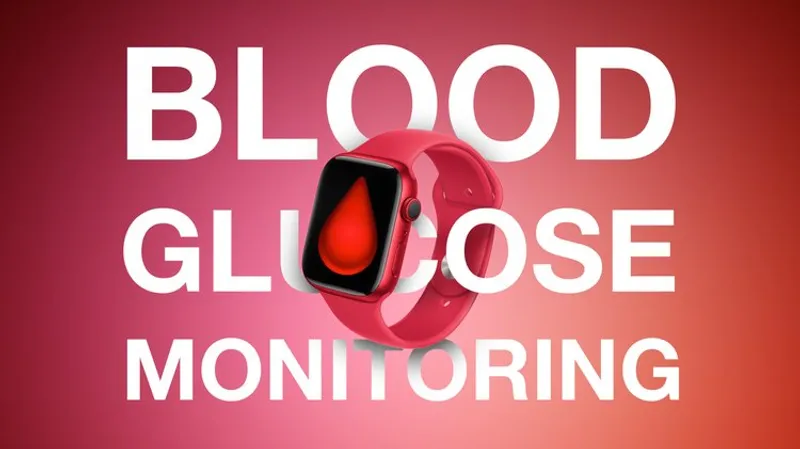
TLDR: Bloomberg reports Apple moved its non invasive glucose monitoring project under Zongjian Chen, but consumer delivery still years away.
Key Takeaways:
- Apple has chased laser based, non invasive blood sugar sensing for over 15 years, shifting leadership as progress stalls.
- Mark Gurman says the system uses laser light under skin, reads interstitial fluid, then computes glucose with an algorithm.
- Even with new oversight, Apple Watch non invasive glucose tracking remains years away, with major proof and regulatory hurdles ahead.

Apple is finally putting heavyweight engineering oversight behind its laser based glucose dream. The watch may still be a long way from replacing finger pricks, but the organizational momentum is the clearest signal yet.
Apple is finally putting heavyweight engineering oversight behind its laser based glucose dream. The watch may still be a long way from replacing finger pricks, but the organizational momentum is the clearest signal yet.
Q&A
What would Apple need to show before a laser glucose feature becomes trustworthy for daily diabetes decisions?
Apple would need strong accuracy and consistency against lab grade glucose readings across skin tones, hydration levels, and activity states, plus reliable performance during sleep and exercise.
Why does the project take so long even after early technical breakthroughs like laser sensing?
Translating lab physics into a stable consumer measurement requires years of calibration, error tracking, and real world validation, not just a functioning prototype.
How could an Apple Watch glucose alert shape user behavior differently than finger pricks?
Continuous style estimates could nudge earlier lifestyle changes or medication discussions, but they could also increase anxiety if confidence intervals and trends are not clearly communicated.
If Apple succeeds, what becomes the competitive pressure on continuous glucose monitor companies?
CGM makers would likely face a value showdown on comfort, cost, and convenience, forcing faster innovation in sensors, wearables integration, and predictive analytics.
What happens if non invasive readings improve but regulators demand tight evidence for medical claims?
Apple could roll out glucose features as wellness insights first, then expand to clinical claims only after additional trials support approved use cases.
Top in Medical
Wisdom tooth surgery turns routine exam into leukemia diagnosis

Trump returns to Walter Reed, says everything checked perfectly

Trump faces rising scrutiny after another Walter Reed visit

Trump faces renewed health scrutiny after third medical exam
No comments yet. Be the first to share your thoughts!