
 AI
AI Gen Z
Gen Z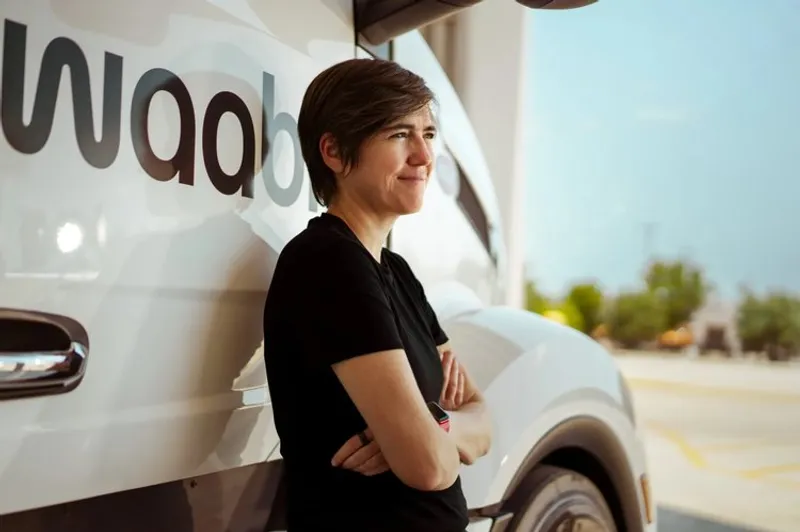
TLDR: TORONTO—Waabi CEO Raquel Urtasun says Gen Z should be prioritized for AI-first adaptability as her self driving trucking firm raises over $1 billion and tests with Volvo. She frames fear about AI jobs as paralyzing and argues raw curiosity beats 20 years of software experience.
Key Takeaways:
- Urtasun built Uber’s self driving technology work and later founded Waabi, pushing an AI and safety first approach in a slow proving ground.
- Waabi launched in 2021, has raised more than $1 billion including a Khosla Ventures co led Series C, and is testing autonomous trucks with Volvo.
- Her hiring bet is simple and teachable: she wants versatile, curiosity driven workers who rethink assumptions from scratch to match the pace of AI change.

Urtasun is basically arguing that the future is less about résumés and more about nervous system plasticity. In self driving, patience and learning speed are survival traits, so she wants hires who can stay unafraid.
Urtasun is basically arguing that the future is less about résumés and more about nervous system plasticity. In self driving, patience and learning speed are survival traits, so she wants hires who can stay unafraid.
Q&A
What would be the first measurable sign that Waabi’s “AI first” hiring model is working?
Faster iteration cycles from model changes to operational improvements in Volvo test deployments, paired with fewer stalls from mismatched domain assumptions.
Why might Gen Z anxiety help or hurt companies differently than older talent?
Anxious candidates may over plan and freeze, but they can also ask sharper questions about risk if leaders translate fear into experiments and feedback loops.
What does the Waymo contrast imply for trucking automation timelines and investor expectations?
If fully autonomous passenger vehicles took decades to reach limited city counts, long haul trucking may demand staged autonomy, clear safety cases, and patience through incremental wins.
How does Urtasun’s academia background change what she looks for in industry interviews?
She likely prioritizes evidence of learning agility, like how candidates handle unknowns and revise thinking, rather than credentials that only prove past specialization.
If “lead with positivity” is the strategy in AI heavy setbacks, what’s the operational version of that advice?
Consistent communication that links failures to specific next experiments, so teams treat uncertainty as a schedule of tests instead of a verdict.





No comments yet. Be the first to share your thoughts!