
 AI
AI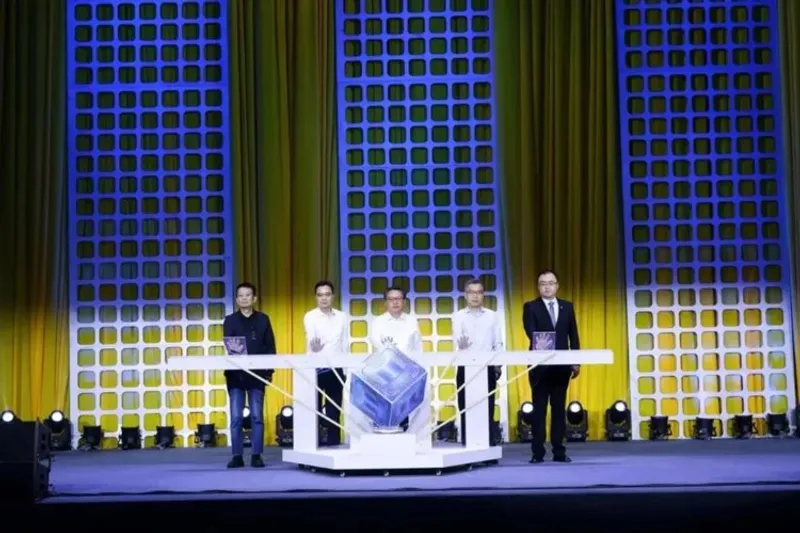
TLDR: SHANGHAI—The 28th Shanghai International Film Festival opened with a Technology Creation and Fabrication Unit and a Songjiang press event for Shanghai High Tech Films and Televisions City. Organizers tied AI and ultra high definition tools to a full chain digital production push, with platforms spanning copyright trading, AIGC creation, and cultural tourism integration.
Key Takeaways:
- Shanghai Film Bureau leaders anchored the push in Songjiang, citing the G60 Science and Technology Innovation Corridor and Songjiang University Town as AI production drivers.
- The festival unveiled five service platforms and launched SFC Haopu Smart Industrial Community’s AI Plus Digital Content Industry Innovation Platform with AIGC short dramas and Haowen Film Technology Fund investments.
- Officials framed the moment as an early win for China’s 15th Five Year Plan window, pairing AI adoption with copyright protection and a film plus model.

Shanghai is treating film making like infrastructure, not inspiration. The festival’s new unit and platform web suggest the next creative edge may come less from cameras and more from pipelines and permissions.
Shanghai is treating film making like infrastructure, not inspiration. The festival’s new unit and platform web suggest the next creative edge may come less from cameras and more from pipelines and permissions.
Q&A
What happens when AI production scales faster than audience expectations, especially for ultra high definition storytelling?
Studios may flood releases with polished output, but differentiation will likely shift to distribution niches, interactive formats, and IP brands that audiences can recognize quickly.
Why did organizers spotlight copyright trading alongside AI creation platforms instead of focusing only on production tools?
AI systems amplify copying risk, so a transaction layer and IP enforcement become the gate that keeps innovation profitable rather than chaotic.
How could the film plus model change bargaining power between creators, platforms, and cultural tourism operators?
Partnerships tied to tourism can turn creators into long term franchise partners, while platforms gain leverage through data, audience targeting, and event driven discovery.
If Songjiang University Town and the G60 corridor are the engine, what could limit momentum when projects need talent and data access?
The bottlenecks will likely be trained AI creative staff, curated datasets, and rights cleared for training and generation, forcing faster standard setting across institutions.
What precedent does this move set for other film festivals: tech showcases or operational ecosystems?
Shanghai’s approach pushes beyond demos toward service platforms and funds, which could pressure festivals elsewhere to partner with production tooling and rights markets, not only exhibitors.




No comments yet. Be the first to share your thoughts!