
Trump faces backlash over Bill Pulte acting DNI bid
 Trump
Trump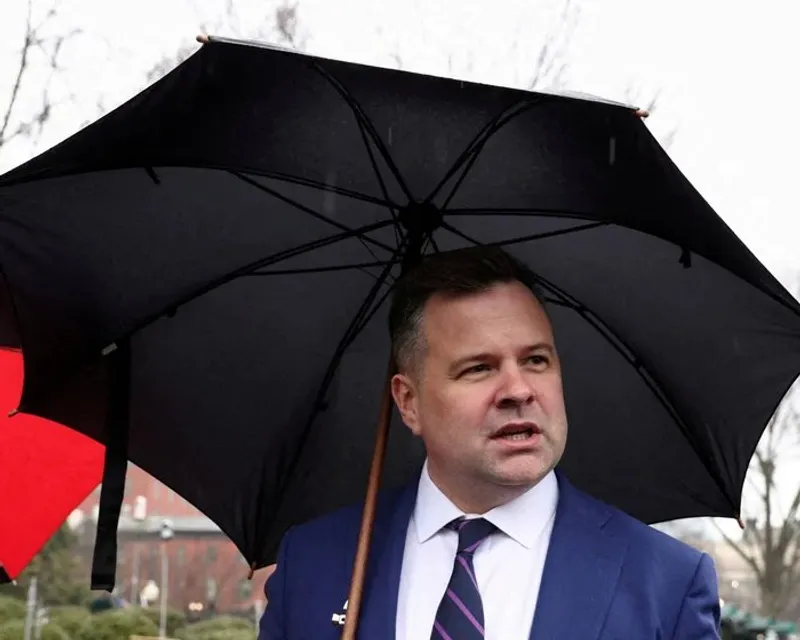
TLDR: WASHINGTON—Trump announced Tuesday evening he will install Bill Pulte as acting director of national intelligence, despite bipartisan warnings that it could derail FISA surveillance law renewal before it expires end of week.
Key Takeaways:
- Background: The FISA surveillance law expires end of this week, putting tight pressure on bipartisan talks in Congress.
- Main fact: Lawmakers are alarmed by Pulte becoming acting DNI and say the move favors presidential loyalty over national security experience.
- Meaning: If Congress refuses to renew FISA, intelligence agencies and law enforcement could lose a key surveillance tool and intensify partisan brinkmanship.
- Examples: Critics point to Pulte lacking security experience and fear misuse of spying powers against Trump political opponents.

This is the rare Washington standoff where the chess clock is a surveillance law expiring this week, not just bruised feelings in hearings.
This is the rare Washington standoff where the chess clock is a surveillance law expiring this week, not just bruised feelings in hearings.
Q&A
What leverage do lawmakers realistically have if Trump insists on installing an acting DNI?
Congress can slow or condition related authorizations and oversight, especially if the FISA renewal vote becomes a bargaining chip tied to broader intelligence governance concerns.
Why would FISA renewal depend on who sits atop the intelligence leadership ladder?
Renewal debates are political as well as technical; lawmakers weigh trust, oversight, and enforcement posture, so leadership seen as partisan can make cross party deals harder.
What precedent does Congress have for blocking or reshaping intelligence appointments during urgent legislative deadlines?
Historically, Congress has used funding, confirmation processes, and committee hearings to reshape outcomes when national security nominees raise credibility or accountability alarms, even when timelines are tight.
If FISA renewal fails, who feels the impact first and how would that change investigations?
Intelligence and law enforcement teams lose a legal pathway for certain surveillance authorities, forcing agents to rely on narrower alternatives and potentially delaying sensitive cases.
What happens next if backlash grows but Trump keeps Pulte in place anyway?
Expect intensified committee scrutiny, pressure from both parties to tighten oversight, and a tougher public fight over surveillance powers that could spill into the next legislative package.





No comments yet. Be the first to share your thoughts!