
 Trump
Trump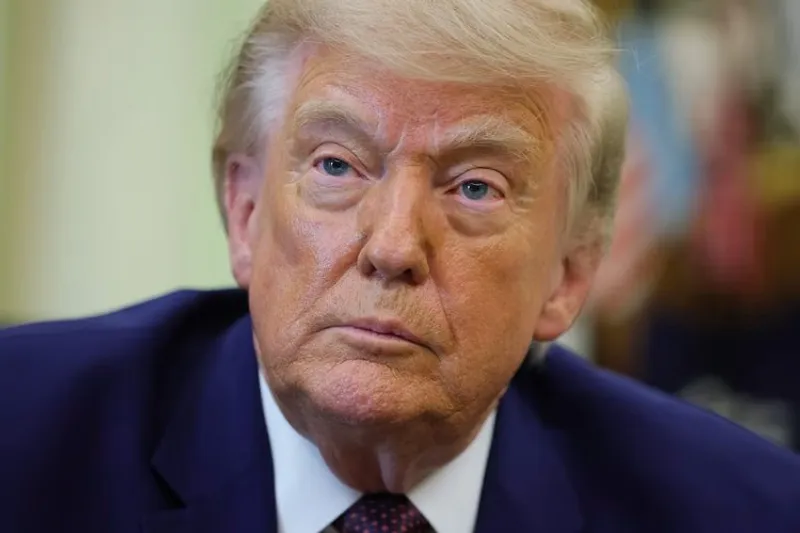
TLDR: NEW YORK—Donald Trump got relentlessly booed at a Knicks game Monday, and Fox figures downplayed it. Meanwhile, new YouGov and other poll data show Trump sliding on the economy, inflation, and in competitive Senate states.
Key Takeaways:
- Context: Trump’s political standing is tightening as multiple polling sources show weaker support beyond his core base.
- Main fact: Fox on air chyron messaging portrayed the Knicks booing as “mixed” and claimed Trump had “half the stadium,” despite footage.
- Meaning: The mismatch between public reaction and on air framing signals growing concern as Trump weakens with young voters and in red state Senate battles.
- Fox’s response leaned on reframing the crowd: “mixed” reception, implied non Trump causes, and claims of substantial cheering and “half the stadium” backing.

When a stadium audibly rejects you, the propaganda instinct kicks in fast. The real story is how often Fox needs to massage reality while Trump’s numbers keep slipping anyway.
When a stadium audibly rejects you, the propaganda instinct kicks in fast. The real story is how often Fox needs to massage reality while Trump’s numbers keep slipping anyway.
Q&A
What does Fox’s instant reframing of booing suggest about its political risk assessment?
It signals the network thinks the crowd reaction can feed a bigger narrative about momentum. Quick minimization aims to prevent clip spread from turning into perceived inevitability against Trump.
Why might boos at a sports event travel farther than policy headlines?
Visual crowd reactions are instantly shareable and feel emotional, not technical. They can become a shorthand for approval that people remember even when polling details blur.
If young voter research flags “toxicity,” what usually follows in campaign operations?
Expect intensified ground game targeting and message discipline to blunt negative sentiment. Teams typically pivot to surrogates, sharper contrast framing, and more selective outreach.
How can Democrats avoid complacency if some red state Senate races look winnable?
They likely need to treat these contests like turnout machines, not victories in advance. Strong early organizing and disciplined messaging matter more when national narratives wobble.
What is the historical pattern when political leaders face both public ridicule and deteriorating approval?
The usual risk is a feedback loop: worse polling pressures messaging, messaging drives further backlash, and supporters start believing the decline is permanent. Breaking that loop requires visible coalition repair and clearer wins.



No comments yet. Be the first to share your thoughts!