
Tesla Autopilot meets China’s doll head distraction workaround
 Chinese
 Tesla
Tesla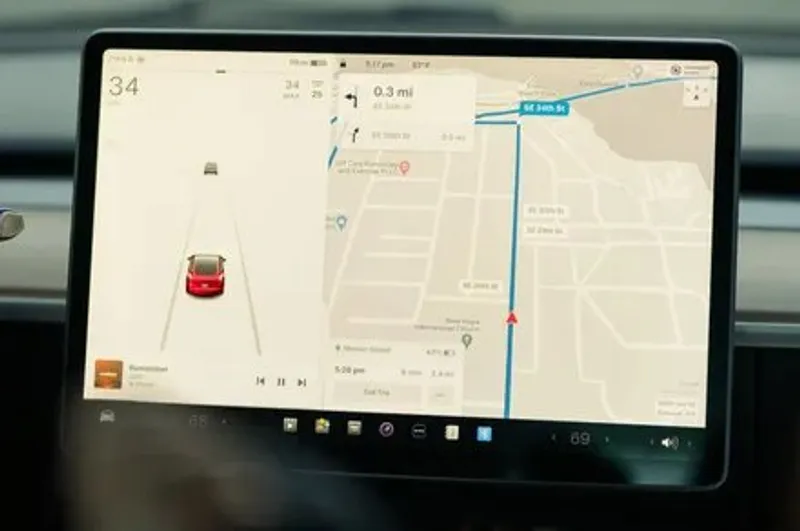
TLDR: CHINA—Chinese Tesla owners reportedly attach tiny doll heads near the rearview mirror to trick in cabin cameras during Autopilot, despite stricter China monitoring updates. Videos show extended driving without distraction warnings, raising safety concerns for road users.
Key Takeaways:
- Tesla’s assisted driving in China relies on in cabin cameras to confirm driver attention and can disable features after prolonged distraction.
- A Wired report says a doll head niche sells for about $10 to $40 and blocks the camera’s view while real drivers look away.
- The workaround trend adds pressure for stronger detection, because bypassing attention monitoring can amplify crash risk and overconfidence.

It is a reminder that car AI still needs humans to play by the rules, and right now some people are treating that camera like a prank target.
It is a reminder that car AI still needs humans to play by the rules, and right now some people are treating that camera like a prank target.
Q&A
If a doll head can fool the camera, what would a tougher Tesla test likely look like?
Expect detection to shift from simple face presence to patterns like gaze consistency, depth cues, eyelid motion, and multiple simultaneous signals across time.
Why did the China software update likely change owner behavior so quickly?
Stricter monitoring increases the cost of looking away, so people hunt for low effort loopholes that buy time without triggering warnings.
What happens when drivers use these props yet still get distracted by real tasks like eating or filming?
The monitoring system may stay satisfied while the human reaction loop slows, leaving the car dependent on driver performance that has not actually improved.
Could future Tesla updates detect mounted objects instead of just faces?
Yes. Tesla could train models for physical scene context like fixed obstructions near the mirror and look for mismatches between driver motion and camera input.
Does this trend mirror earlier bypass attempts in other countries, and what does that history suggest?
Past workarounds with sunglasses and steering weights show a repeating loop: owners test limits, companies harden sensors, and the cat and mouse game restarts.



No comments yet. Be the first to share your thoughts!