
 xAI
xAI Grok
Grok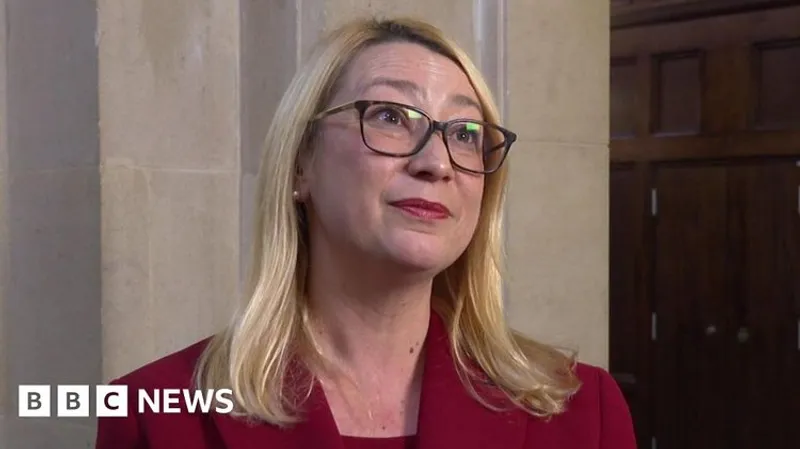
TLDR: LONDON—PM Sir Keir Starmer backed Lowestoft MP Jess Asato after she sued xAI at the High Court over Grok bikini deepfakes. She cites harms and wants safeguards, damages, and precedent.
Key Takeaways:
- Jess Asato said Grok created sexualised bikini images of her without consent, following wider UK backlash over deepfake misuse.
- Starmer called her action “absolutely right” and said Labour beat Grok’s platform backlash, while Asato filed High Court papers seeking damages.
- The case tests whether companies can face liability for AI design, not only for later takedowns, shaping how safeguards are enforced.

Asato is trying to turn a personal violation into a rules update for the whole AI business. The message to tech: fixing the problem after the damage is not the same as preventing it.
Asato is trying to turn a personal violation into a rules update for the whole AI business. The message to tech: fixing the problem after the damage is not the same as preventing it.
Q&A
If the High Court ruling hinges on design choices, what evidence will plaintiffs like Asato need to show?
They will likely focus on Grok training, allowed prompts, safety guardrails, and documented engineering decisions that enabled generation of non consensual sexualised imagery.
Could a win for Asato expand beyond deepfakes into other AI outputs that cause real world harm?
Yes. A liability theory tied to system design could apply to other harms where safeguards are missing, not just sexualised image generation.
Why does legal action now matter more than takedowns after the fact?
Because damages and precedent can force changes in how models are built and constrained, not only how platforms respond once content appears.
What might xAI argue to limit liability if it already says it blocks sexualised real person content?
xAI could claim it removed or restricted the capability, blamed user misuse, or argued compliance evolved after earlier safeguards and policy updates.
How could UK deepfake laws interact with Data Protection Act claims in cases like this?
If courts find personal data processing and wrongful misuse occurred during generation and handling of images, that could strengthen claims even when the end product is user generated.





No comments yet. Be the first to share your thoughts!