
Standard Chartered CEO apologizes after “lower value human capital” comment
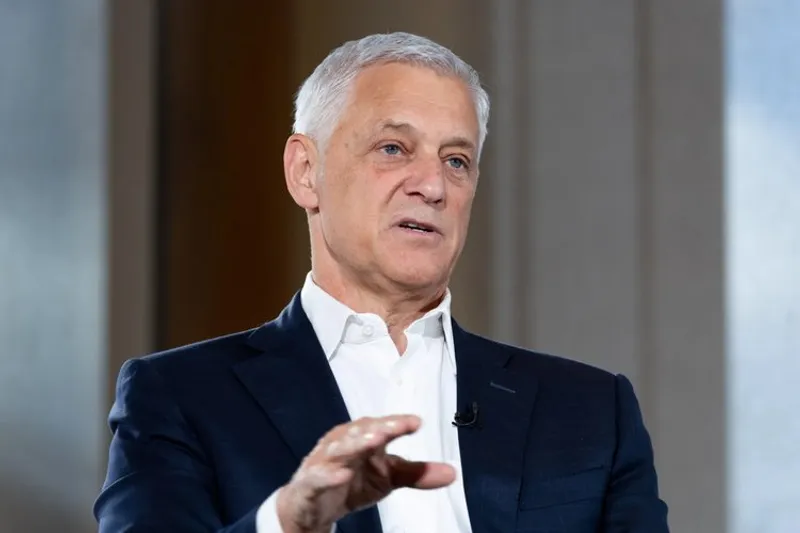
TLDR: HONG KONG—Standard Chartered CEO Bill Winters apologized on LinkedIn after calling some workers “lower value human capital” replaceable by AI. The bank plans to reduce back office roles about 15 percent over four years.
Key Takeaways:
- Standard Chartered is embracing AI while other big employers like Amazon and UPS cut hiring tied to automation.
- Winters said “lower value human capital” could be replaced, then issued an apology and a transcript after backlash.
- A 15 percent back office reduction over four years raises trust questions about reskilling promises and future career moves.

CEOs can chart the future with AI, but words still land like HR memos. Winters just learned that “repositioning” sounds less credible when the math already points to 15 percent fewer roles.
CEOs can chart the future with AI, but words still land like HR memos. Winters just learned that “repositioning” sounds less credible when the math already points to 15 percent fewer roles.
Q&A
What happens to employees when a CEO apologizes but headcount reductions remain unchanged?
They often still need clarity fast on timelines, affected roles, and reskilling pathways. Apologies may reduce anger, but decisions on staffing usually follow business plans.
Why did the phrase “lower value human capital” trigger stronger backlash than technical AI explanations?
Because it frames people as inputs with a tiered worth, not as employees with transferable skills. Even when companies offer training, the valuation language feels like a dismissal.
How could Standard Chartered structure reskilling to rebuild trust after public criticism?
By publishing role mapping, training completion targets, internal job placement rates, and timelines for transitions. Employees want measurable guarantees, not motivational language.
What lessons do other CEOs take from Duolingo and Klarna when they try to walk back AI hiring remarks?
Context alone may not help if workforce reductions are already in motion. Messaging works best when paired with concrete protections for impacted teams.
If AI reshapes “knowledge work” broadly, what new power shift might show up inside companies?
Departments tied to workflow design, model governance, and operations of AI tools may gain influence. Roles that only execute tasks can lose leverage faster, forcing career reinvention.





No comments yet. Be the first to share your thoughts!