
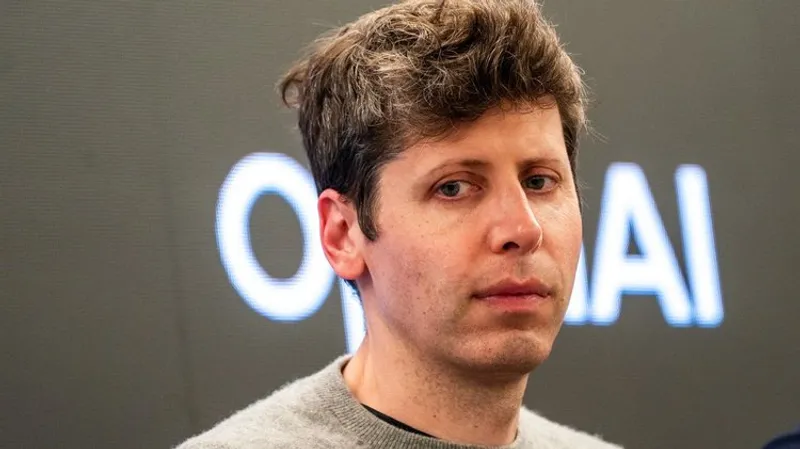
TLDR: SYDNEY—OpenAI CEO Sam Altman said at a Commonwealth Bank of Australia conference that AI job cuts are not on course for a jobs apocalypse, despite recent layoffs. The comments matter to workers in entry level white collar roles and to companies reassessing headcount as generative AI spreads.
Key Takeaways:
- Context: Public anxiety rose as companies announced AI powered staffing cuts, while banks signaled faster shifts in support, analysis, and other “lower value” work.
- Main fact: Altman told Reuters he expected more impact on entry level white collar jobs and said he is delighted to be wrong.
- Meaning: Intuit cut 3,000 staff and Meta cut more than double that, while Standard Chartered plans AI replacing nearly 8,000 lower value roles, intensifying workplace transition stakes.

Altman’s “delighted to be wrong” line lands differently when layoffs already have receipts. The next fight is proving which jobs shrink, which expand, and who gets the transition help.
Altman’s “delighted to be wrong” line lands differently when layoffs already have receipts. The next fight is proving which jobs shrink, which expand, and who gets the transition help.
Q&A
If entry level white collar hiring stays resilient, where will AI displacement show up first instead
It often shows up in back office ramp cycles and contract renewals first, when tasks get automated without immediately cutting senior roles.
What would an independent AI jobs audit need to include to be trusted by workers and executives
It would need standardized metrics for displacement and creation, clear baselines by occupation level, and separate measurement of voluntary attrition versus layoffs.
Why might company reported “replacement” counts understate real job harm
Workers can lose roles through fewer openings, slower promotions, and reduced contractor hours even when headcount totals do not collapse.
How do earlier automation waves like car manufacturing help interpret Altman’s optimism
Robotics often improved output while reducing some labor needs, but it also changed skill demands and widened gaps between workers who could retrain and those who could not.
What policy or corporate actions most directly reduce the pain when AI destroys jobs and creates new ones
Targeted reskilling funding, wage insurance, and hiring pipelines tied to AI literacy can turn “new jobs” from a promise into an accessible path.
Top in Jobs

ClickUp cuts 22% staff to fund million-dollar bands

Cybersecurity hiring surges as AI breaks things faster

Standard Chartered CEO apologizes after “lower value human capital” comment

AI threatens the entry level ladder, hurting young hires

No comments yet. Be the first to share your thoughts!