
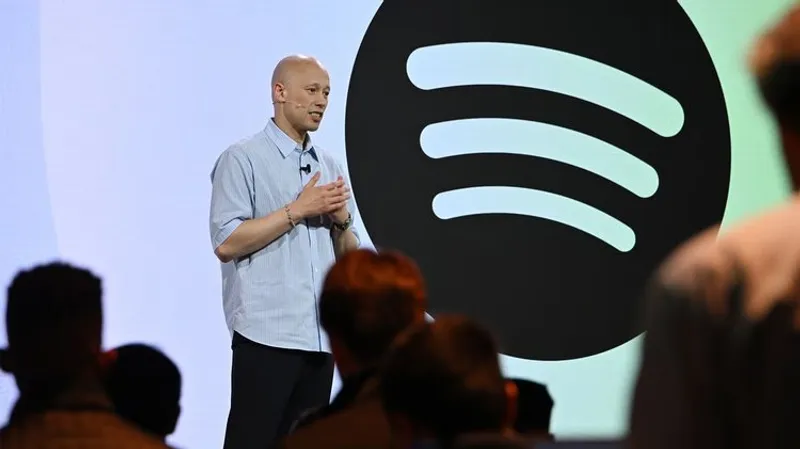
TLDR: Spotify CEO Alex Norström says AI generated music on Spotify protects artists from piracy and expands listener choice, enabled by new UMG licensing. Premium tools let subscribers make AI covers and remixes from participating catalogs, but critics warn consent could crumble as shareable remixes flood charts.
Key Takeaways:
- Spotify and Universal Music Group secured landmark licensing deals, setting up Premium AI cover and remix tools tied to participating artists and songwriters.
- Norström frames AI as “controlled” and “rewarding” for creators, while composer Ed Newton Rex demands consent and fears remix sharing will overwhelm normal releases.
- Already, AI tracks have hit Spotify’s Viral 50, and the worry is a bigger creator squeeze as fans and algorithms favor easily generated remixes.

Spotify is betting that “consent based AI” can replace the Wild West, but the internet’s remix button has a way of outgrowing permission. If Viral charts keep getting AI first, artists will feel the pressure long before regulators arrive.
Spotify is betting that “consent based AI” can replace the Wild West, but the internet’s remix button has a way of outgrowing permission. If Viral charts keep getting AI first, artists will feel the pressure long before regulators arrive.
Q&A
What safeguard could prevent AI covers from turning into unauthorized lookalikes of living artists?
Spotify could expand participation controls and watermarking, then require creators to approve downstream remix sharing and usage beyond the original licensed catalog.
How might Spotify’s licensing terms shape who wins when AI remixes become algorithmically amplified?
Creators who opt in to remix enabled catalogs may get royalties and visibility, while those who refuse could see their work harder to discover as AI style matching boosts lookalike tracks.
Why do “controlled alternatives” still trigger distrust even when participation is voluntary?
Because listeners can treat AI outputs like any other content, critics fear that once sharing and remixing are easy, consent boundaries will blur in practice.
What happens to chart powered marketing if AI generated songs keep appearing in Viral 50?
Labels and independent artists may redirect budgets toward anti spoofing verification and faster release cycles, while listeners may demand clearer labeling to stay confident in what they are hearing.
Could the piracy argument cut both ways for Spotify and the music industry?
If AI tools reduce illegal knockoffs, that helps rights holders, but if AI remixes become a new flood, the industry may face a different enforcement problem: verifying who created what and under whose terms.
Top in Music

Madonna’s space heater fire fuels Bilt’s Music Building rent

McCartney admits nerves approaching Dylan after Coachella moment

Springsteen turns Brooklyn shows into anti Trump resistance model

Godsmack turns Mohegan Sun finale into unedited statement

No comments yet. Be the first to share your thoughts!