
SpaceX alumni push solar and batteries into hyperscaler power
 AI
AI Energy
 SpaceX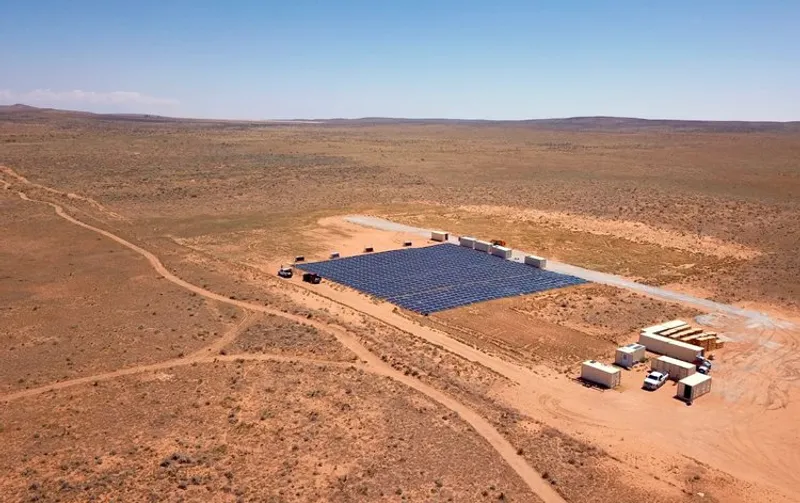
TLDR: WEST TEXAS—Ambrosia Energy, backed by SpaceX alumni, is building a solar plus lithium ion battery power plant in West Texas that aims to scale in 12 months and cost $100 per megawatt hour. The company says constant trickle charging boosts reliability and cuts costs versus natural gas for AI and hyperscalers.
Key Takeaways:
- Ambrosia Energy forms from SpaceX Starlink and Swarm backgrounds, now targeting grid power for AI driven demand.
- The startup pairs solar with lithium ion batteries, targeting $100 per megawatt hour and claiming 12 month delivery from contract to power on.
- Trickle charging replaces two hour cycling, reducing system strain; a West Texas build and an Austin factory aim for gigawatts by decade end.

The AI boom usually gets framed as compute first, electrons later. Ambrosia Energy is betting the order flips, and that fast build timelines will win attention.
The AI boom usually gets framed as compute first, electrons later. Ambrosia Energy is betting the order flips, and that fast build timelines will win attention.
Q&A
If solar and battery systems beat gas on speed, what bottleneck could still slow delivery at gigawatt scale?
Grid interconnection capacity, permitting, and long lead equipment like inverters and transformers can still limit how quickly projects connect and run.
Why does trickle charging matter more than a headline battery duration number?
Smoother cycling can reduce wear and operational stress on the grid, which can improve performance consistency during daily load swings.
How could Ambrosia compete if customers already buy power through existing utility procurement processes?
They can target behind the meter installations and modular expansions that let customers start smaller, validate output, then scale without waiting on new utility contracts.
What could happen if gas turbine backlogs stay high while AI power demand accelerates?
Hyperscalers may diversify supply faster, shifting capital toward storage and renewables to avoid outages or construction delays tied to gas.
What lessons from Swarm or satellite deployments could translate to power plant operations and maintenance?
Iterating modules after early deployments can shrink learning cycles, helping teams refine designs and processes before scaling to larger footprints.
Top in Startups

Swift Student Challenge winners get surprise CEO demos moment

SpaceX IPO valuation hinges on one scaling project

SpaceX nears IPO while Anthropic waits quietly
SpaceX IPO filing raises dilution concern with investor warning

No comments yet. Be the first to share your thoughts!