
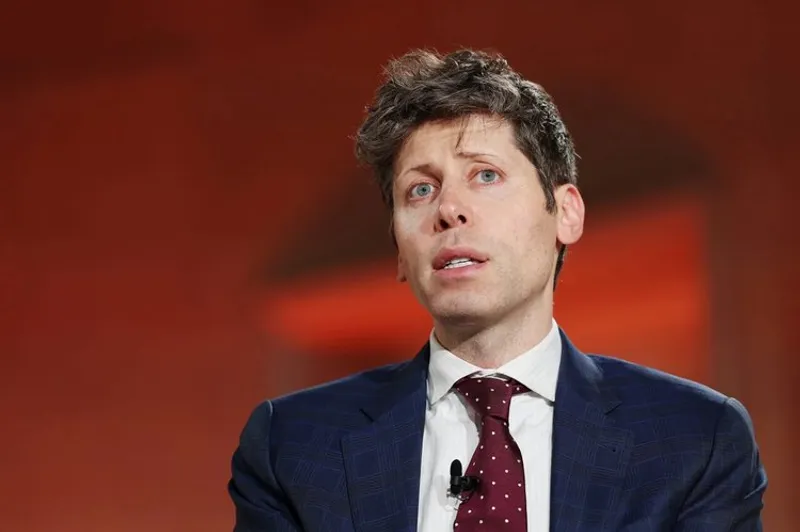
TLDR: SYDNEY—Sam Altman told Australia’s Commonwealth Bank conference his AI job loss predictions missed the mark, and OpenAI is funding worker disruption support.
Key Takeaways:
- Altman spent a decade warning AI would erase white collar jobs, then shifted his messaging as layoffs and backlash grew.
- At the Commonwealth Bank of Australia conference, he said he is delighted to be wrong and cited off target intuitions.
- OpenAI Foundation funding and new grants may soften criticism, but AI sales still fuel employer replacement of workers.

Altman wants the record to read like a course correction, not a prophecy. Investors and workers may disagree on whether the damage came from the forecasts or the deployments.
Altman wants the record to read like a course correction, not a prophecy. Investors and workers may disagree on whether the damage came from the forecasts or the deployments.
Q&A
If Altman missed job elimination timelines, what does that imply about how quickly AI harms employment versus changing job quality?
It suggests disruption may show up first as slower hiring, deskilling, or wage pressure rather than instant replacement across entry roles.
What happens to public trust when leaders publicly revise doom timelines after big fundraising milestones?
Credibility shifts from scientific certainty to PR management, making future warnings harder to separate from strategy.
How might AI layoff justifications evolve if executives expect regulators and critics to cite past predictions?
Companies may broaden the language to productivity, reskilling, and business reinvention while still using AI to reduce headcount.
Could OpenAI Foundation grants meaningfully counter employer incentives to replace workers with AI?
Grants can help workers absorb shocks, but they rarely outweigh cost savings unless paired with enforcement or hiring subsidies.
What precedent exists for big AI promise makers later downplaying job apocalypse claims, and what usually follows?
Leaders often narrow claims, pivot to workforce programs, and push for voluntary guardrails, while adoption accelerates faster than policy.
Top in AI

Illinois Legislature OKs SB 315, forcing AI third party audits

Pymetrics AI screening rejects Black and Asian applicants more

Argonne turns spare supercomputers into private AI inference portal

Snowflake commits $6B to AWS Graviton for AI execution

No comments yet. Be the first to share your thoughts!