
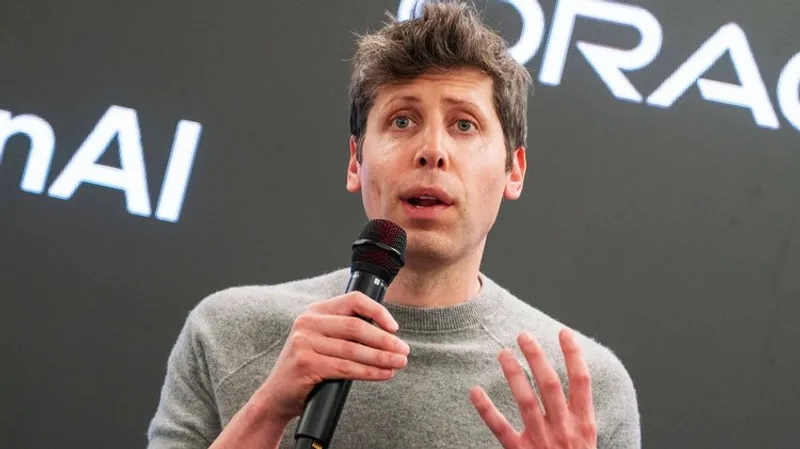
TLDR: SYDNEY—OpenAI CEO Sam Altman told Reuters that AI will not trigger a jobs apocalypse, saying he was “pretty wrong” about social and economic effects. He discussed how AI still needs human interaction.
Key Takeaways:
- Altman challenged predictions of widespread white collar job loss as AI adoption accelerates across tech and finance, including high profile layoffs tied to AI projects.
- At a Commonwealth Bank of Australia conference in Sydney, Altman said he expected more impact on entry level office roles, but his instincts proved off.
- He argued most roles will still require human interaction, while admitting his early economic read was inaccurate as companies reshuffle work toward AI.

Altman is walking back the direst framing, but the lesson is sharper than the reassurance: AI timelines can be right on code and wrong on people. The real question now is how firms decide who gets the new work.
Altman is walking back the direst framing, but the lesson is sharper than the reassurance: AI timelines can be right on code and wrong on people. The real question now is how firms decide who gets the new work.
Q&A
If a jobs apocalypse did not arrive, what kind of labor disruption did people actually experience instead?
The disruption has looked more like role reshaping and reassignments inside companies, with some layoffs and rapid workflow changes rather than instant mass replacement across occupations.
Why might entry level white collar jobs have held up longer than many predicted?
Hiring and deployment often lag behind model capability, and many entry roles still depend on tacit judgment, approvals, and customer or compliance workflows that are slower to automate.
What does Altman mean by “human interaction” that AI cannot fully outsource?
It points to tasks where accountability, relationship building, ambiguity handling, and final decision responsibility remain with people, even when AI drafts, summarizes, or proposes actions.
How could the Meta and banking layoff examples change how employers deploy workplace AI this year?
They may push firms toward more cautious rollout, clearer retraining plans, and tighter governance, because workers and regulators notice when automation decisions feel like cost cutting.
What happens next for AI leaders once they concede early social and economic forecasts were “pretty wrong”?
They are likely to lean harder on measurable impact, workforce transition metrics, and transparent deployment practices to rebuild trust and avoid repeating abrupt, politically costly workforce shocks.





No comments yet. Be the first to share your thoughts!