

TLDR: NINGXIA, China—China is leaning on abundant cheap power and renewables to expand AI data centres, narrowing US leads despite chip constraints and grid limits.
Key Takeaways:
- Data centres can use as much electricity as 100000 households, and hyperscale sites can match two million homes, according to the IEA.
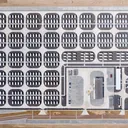
- China’s East Data West Computing plan pushes new data centres into wind and solar rich interior regions, including a 500 megawatt Ningxia project.
- US chips and market momentum clash with grid and community backlash, while China’s faster build pace still faces utilisation and power bottlenecks.

The AI race used to look like a chips only showdown. Now it is a power bill contest, and China keeps rewriting the terms with electricity first thinking.
The AI race used to look like a chips only showdown. Now it is a power bill contest, and China keeps rewriting the terms with electricity first thinking.
Q&A
If US data centre growth is constrained by the grid, will AI workloads shift to regions with spare capacity or intensify lobbying for upgrades?
Expect a push toward power add ons like new substations, tighter scheduling with utilities, and more site selection focused on states with capacity and faster permitting.
Why does China’s renewables tether to data centres matter as much as chip supply?
Stable low carbon power reduces operating risk and improves throughput planning, which helps buyers commit to larger AI capex even when chip availability is uneven.
Could China’s approach backfire if energy stays plentiful but data centre utilisation remains low?
Idle or underused capacity raises per workload costs and can slow further investment, forcing operators to chase demand, not just build it.
How might provincial power dispatch and fragmented transmission limit the benefits of remote wind and solar for eastern megacity demand?
Delayed or one way flows can strand renewable output or force local throttling, so big gains depend on upgrading inter provincial corridors and trading mechanisms.
What happens to the China US balance if export controlled advanced Nvidia supply tightens further but power growth continues?
China could keep building capacity while accepting performance gaps, aiming to win on scale and energy economics while improving chip roadmaps over time.




No comments yet. Be the first to share your thoughts!