
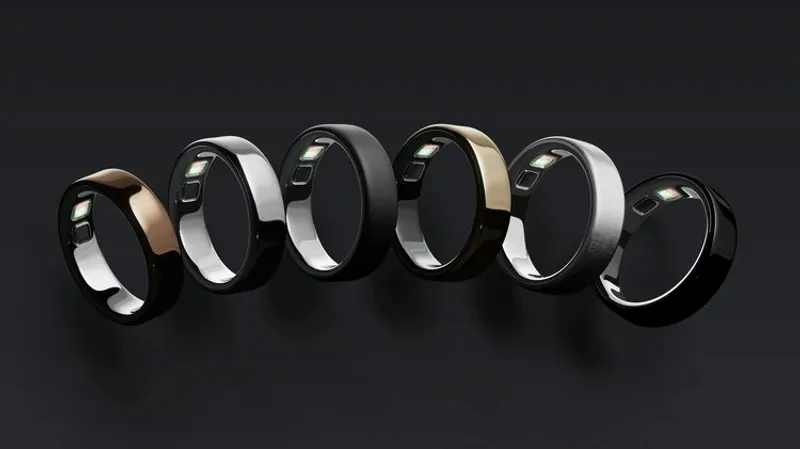
TLDR: Oura unveiled Ring 5, 40 percent smaller, with Health Radar features including Blood Pressure Signals and Nighttime Blood Pressure. Oura says the ring can spot cardiovascular strain patterns from sleep and improve skin contact for readings.
Key Takeaways:
- Oura Ring designs often prioritized health depth, but earlier models felt too bulky for everyday discretion.
- Ring 5 shrinks to 6.09mm wide and 2.28mm thick, adding Blood Pressure Signals plus Nighttime Blood Pressure and Nighttime Breathing.
- More sleep based monitoring and stronger signal pathways could make smart rings feel like early warning tools, not just trackers.

Oura is leaning into the quiet data people actually live with: sleep. If the smaller fit and added nighttime blood pressure checks land well, the smart ring may stop feeling like a gadget and start feeling like a habit.
Oura is leaning into the quiet data people actually live with: sleep. If the smaller fit and added nighttime blood pressure checks land well, the smart ring may stop feeling like a gadget and start feeling like a habit.
Q&A
What will Health Radar do better than daytime metrics for cardiovascular risk?
It aims to catch patterns when day time noise fades, using sleep based signals to show whether blood pressure naturally drops overnight.
Why does Oura highlight skin contact and stronger signal pathways now?
Smaller form factors still face real world fit issues, so Oura is betting improved signal architecture can reduce variation across finger types and skin tones.
How might clinicians use a ring like Ring 5 if patients report Nighttime Blood Pressure trends?
It could help generate longitudinal context ahead of appointments, turning sleep data into questions worth answering with standard clinical testing.
Could the ring evolve from insight notifications into guided care workflows?
Oura is already pairing with Counsel Health and adding Health Records, suggesting next steps may connect signals to AI assisted next actions inside the app.
What happens if smart rings match smartwatch medical claims but users wear them longer?
More consistent monitoring could make pattern detection more reliable over time, shifting value from workout dashboards to long term health signals.
Top in Wellness

Summer buys that hit your FSA or HSA

AI fills mental health gaps as screen pressure rises
Google Health roadmap answers Fitbit backlash with tracking fixes
ASUS VivoWatch 6 Plus brings wrist ECG and AI coach

No comments yet. Be the first to share your thoughts!