
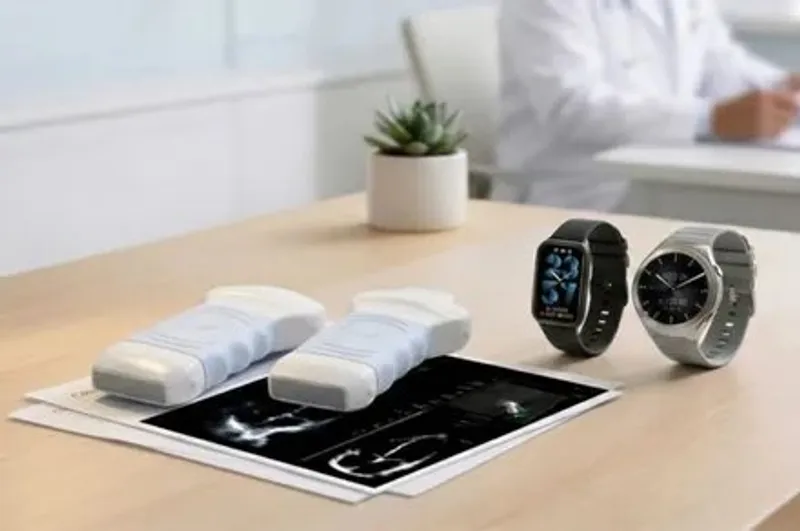
TLDR: TAIPEI—ASUS unveiled the VivoWatch 6 Plus at Computex 2026 with wrist ECG and blood pressure trend tracking plus an AI wellness coach.
Key Takeaways:
- ASUS is leaning harder into preventive wearables, joining Apple, Samsung, and Huawei in medical style sensing and sleep and stress analysis.
- The VivoWatch 6 Plus pairs ECG and PPG sensors with blood pressure trend monitoring, body composition analysis, sleep tracking, blood oxygen, and stress metrics.
- The AI wellness coach aims to turn long term biometrics into recommendations, but consumer blood pressure accuracy remains the big proof test.

Smartwatch makers keep selling the same dashboard, but ASUS is at least dressing it as a coach. The wrist can track more, yet the real win will be whether it helps people change what they do next.
Smartwatch makers keep selling the same dashboard, but ASUS is at least dressing it as a coach. The wrist can track more, yet the real win will be whether it helps people change what they do next.
Q&A
If wrist based blood pressure is still hard to validate, what would make ASUS recommendations feel trustworthy to users?
Consistent trend accuracy over time, clear error messaging, and calibration guidance tied to user context rather than one time readings.
How might the integrated wellness coach change daily habits compared with a smartwatch that only logs data?
It can nudge sleep timing, recovery days, and stress management using patterns, which turns passive tracking into prompts people can actually follow.
What happens if the AI wellness coach overfits to short term spikes like poor sleep or travel?
The system could learn temporary stress as a baseline, so better designs would weight recency against longer history and flag uncertainty.
Why is the industry rushing toward ECG and blood pressure features now?
Phone hardware momentum slows, so wearables need medical style value beyond steps, pushing brands to compete on sensor depth and guidance.
If regulators block wearables from acting like medical devices, what can brands still claim safely?
They can focus on wellness and trends, using clinical style sensing while avoiding diagnoses, and they can encourage users to seek professional care.
Top in Wellness

Summer buys that hit your FSA or HSA

AI fills mental health gaps as screen pressure rises
Google Health roadmap answers Fitbit backlash with tracking fixes
Oura Ring 5 shrinks 40 percent, adds blood pressure signals

No comments yet. Be the first to share your thoughts!