
 OpenAI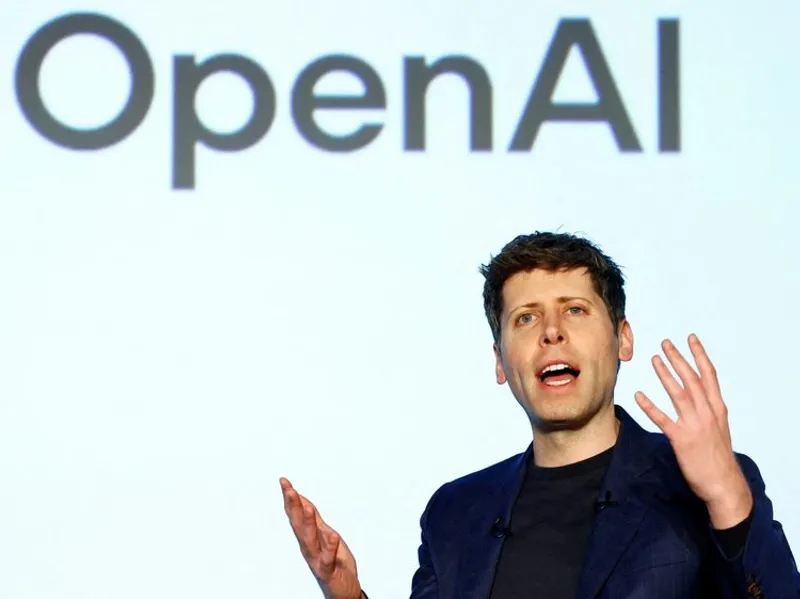
TLDR: WASHINGTON—OpenAI confidentially filed for a US IPO, without disclosing size, terms, or a timeline, as investors chase AI exposure. The filing follows a major legal win involving Elon Musk and ongoing Microsoft partnership shifts.
Key Takeaways:
- OpenAI is joining Anthropic in pursuing a stock market debut, as investors look for direct exposure to AI growth and profits.
- OpenAI said a timeline is not set, and it previously disclosed raising $110 billion at an $840 billion valuation plus over 900 million weekly active users for ChatGPT.
- The IPO push follows renegotiated Microsoft ties and a May jury verdict rejecting Elon Musk liability claims, removing a key public market hurdle.

OpenAI is finally stepping onto public markets without promising when, which keeps the pressure on its rivals and Wall Street skeptics alike. The next question is whether demand stays white hot after the legal and partnership cleanup.
OpenAI is finally stepping onto public markets without promising when, which keeps the pressure on its rivals and Wall Street skeptics alike. The next question is whether demand stays white hot after the legal and partnership cleanup.
Q&A
If OpenAI delays its IPO, what does that signal to investors about margins and governance readiness?
A delay often means management wants more operating stability, cleaner corporate structure, and better visibility on costs tied to training and scaling, which can reduce post listing turbulence.
How might the outcome of OpenAI and Microsoft deal renegotiations affect public market expectations on revenue quality?
If the new terms improve pricing, capacity, or distribution, investors may see steadier growth. If they shift economics against OpenAI, analysts could demand a higher discount rate.
Why did the Musk lawsuit ruling matter so much for IPO readiness?
Public market investors often treat unresolved governance and mission drift allegations as a valuation risk. The May jury verdict removes a headline overhang that can widen price swings.
What does OpenAI filing quietly suggest about how it plans to manage valuation expectations?
Keeping terms and timing private reduces negotiation friction with underwriters and helps management avoid locking into a number before market conditions settle.
Could SpaceX and other mega growth IPOs set a template for how AI companies should time offerings?
They hint that liquidity windows and investor appetite can move fast. That can push AI firms to align filings with periods of strong risk tolerance rather than internal milestones.
Top in Startups

Ferveret’s reactor inspired cooling pressures data centers to rethink efficiency

SpaceX IPO courts investors with AI and multiplanetary ambition

SpaceX IPO splits bull and bear bets ahead

OpenAI IPO filing turns AI funding race up fast

No comments yet. Be the first to share your thoughts!