
OpenAI confidentially files IPO, setting Wall Street sprint
 AI
AI IPO
IPO SpaceX
 OpenAI
 Anthropic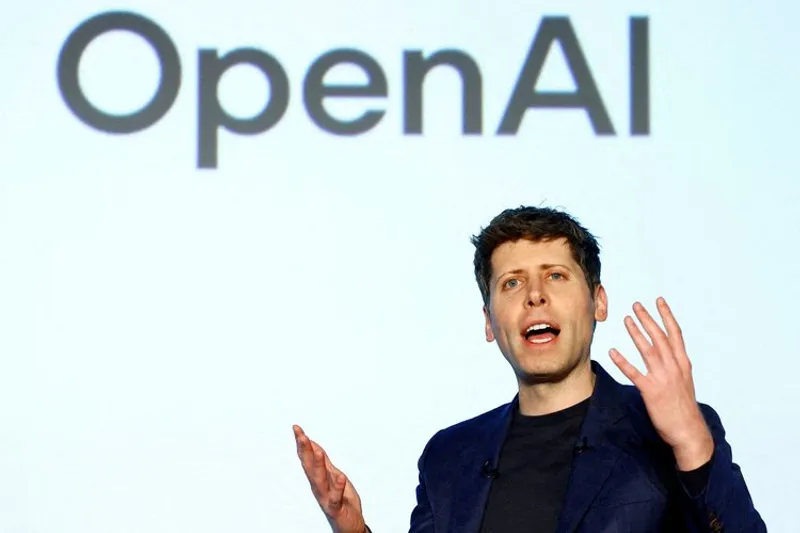
TLDR: OpenAI confidentially filed an IPO S 1 with the SEC, without choosing timing, aiming to go public in Q4 while SpaceX starts trading and Anthropic filed too. The move could trigger one of the biggest AI debuts, while investors and OpenAI staff wrestle with cash burn and compute needs.
Key Takeaways:
- OpenAI joins Anthropic and SpaceX at once, as mega valued AI firms line up for public listings and bigger capital ramps.
- OpenAI submitted a confidential S 1, with CFO Sarah Friar calling public company readiness good hygiene, though OpenAI says timing is undecided.
- A public rush adds pressure on Sam Altman to justify finances as OpenAI and Anthropic burn cash building compute and enterprise products.

This is Wall Street treating AI like a heavyweight championship bout, except the real fight is over compute invoices and investor patience. OpenAI wants speed if markets cooperate, and it is betting the public debut can start before rivals steal the spotlight.
This is Wall Street treating AI like a heavyweight championship bout, except the real fight is over compute invoices and investor patience. OpenAI wants speed if markets cooperate, and it is betting the public debut can start before rivals steal the spotlight.
Q&A
Why file confidentially instead of going public immediately, especially when competitors are also preparing SEC filings?
A confidential filing lets regulators review finances early while limiting market noise. That can buy time to refine disclosures and internal plans, but it also keeps investors guessing when a company will finally price shares.
What would change in OpenAI execution if it becomes public faster than expected?
Public timing usually tightens quarterly reporting, governance, and investor expectations. OpenAI may accelerate enterprise revenue targets and cap speculative projects because public scrutiny makes tradeoffs harder to explain later.
How could SpaceX and AI IPO timing affect investor demand for OpenAI shares?
If capital and attention concentrate on a near term mega debut, demand for the next listing can soften. OpenAI may gain or lose depending on how investors split risk between aerospace catalysts and AI growth stories.
What does cash burn pressure mean for an AI company once it is public?
Burn can shift from a growth narrative to a measurable drag on margins. That can force clearer metrics for compute efficiency, cost per token, and revenue durability in the enterprise and developer markets.
How does OpenAI framing a new internal phase influence what investors expect to see next?
Investors will look for evidence that AI is becoming abundant and useful, not just impressive. That often translates into faster product iteration, broader deployment, and concrete proof that models can scale affordably and safely for everyday organizations.
Top in Startups

Ferveret’s reactor inspired cooling pressures data centers to rethink efficiency

SpaceX IPO courts investors with AI and multiplanetary ambition

SpaceX IPO splits bull and bear bets ahead
OpenAI IPO filing turns AI funding race up fast

No comments yet. Be the first to share your thoughts!