
 AI
AI Microsoft
 OpenAI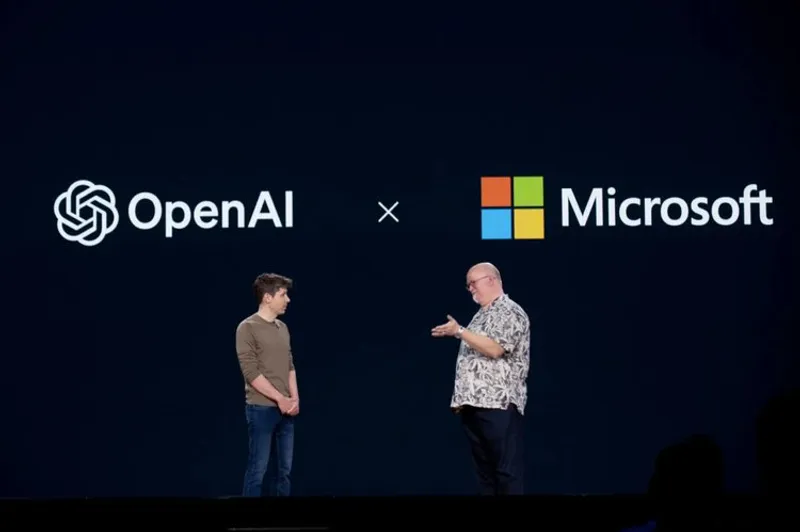
TLDR: Mustafa Suleyman says Microsoft is free to pursue superintelligence independently after an October contract with OpenAI, despite denying a breakup. OpenAI and Microsoft keep partnering while Microsoft builds its own models and bets on a future without structural dependence.
Key Takeaways:
- Microsoft rewrote its OpenAI deal in April, targeting independent superintelligence while still licensing OpenAI models.
- Suleyman told The Verge a new October contract was designed until OpenAI achieved AGI and enabled Microsoft to pursue superintelligence alone.
- Microsoft wants top tier standing without being “structurally dependent” on third party IP, while still monetizing OpenAI now.
- He also highlighted Microsoft’s seven new modality spanning models and framed them as proof Microsoft can build from the ground up.

Microsoft is playing the long game with a smile, thanking OpenAI while quietly sharpening its own toolkit. The message is simple: partnership can be warm, but survival in AI means having your own future ready to deploy.
Microsoft is playing the long game with a smile, thanking OpenAI while quietly sharpening its own toolkit. The message is simple: partnership can be warm, but survival in AI means having your own future ready to deploy.
Q&A
If Microsoft claims it can build from the ground up, what gets riskier as it reduces reliance on OpenAI licenses?
It shifts the hardest bottlenecks to Microsoft: training stability, data pipelines, inference cost control, and model quality assurance at frontier scale without OpenAI’s proven stack.
Why did Microsoft emphasize “superintelligence” rather than just “better models” in its public framing?
Frontier messaging helps align investors, regulators, and internal teams around a strategic endpoint, not incremental product milestones that still leave it dependent on external IP.
What happens next if OpenAI’s path to AGI drags longer than Microsoft’s “around the corner” timeline?
Microsoft’s pressure to show comparable progress rises, pushing it toward faster releases and possibly earlier deployment tradeoffs that can expose weaknesses in safety and reliability.
Could Microsoft’s model rollout cadence intensify competition with other AI labs even while the OpenAI relationship continues?
Yes, because publishing modality coverage and scaling claims signals capability to the whole market, including Google DeepMind and Anthropic, even if OpenAI remains a near term partner.
What is the hidden leverage in keeping the partnership “for years” while preparing an exit?
Microsoft can negotiate from strength: it can extract licensing value today while credibly threatening to swap to its own models later, reducing long term bargaining vulnerability.
Top in AI

Maryland lawmakers push AI guardrails as teachers feel lost
AI regulation push splits Democrats over preemption and ownership

Compute becomes lifeblood, AI boom meets hard ceilings

SpaceX investor leak pressures its AI satellite timeline

No comments yet. Be the first to share your thoughts!