
AI regulation push splits Democrats over preemption and ownership
 Democrats
 AI
AI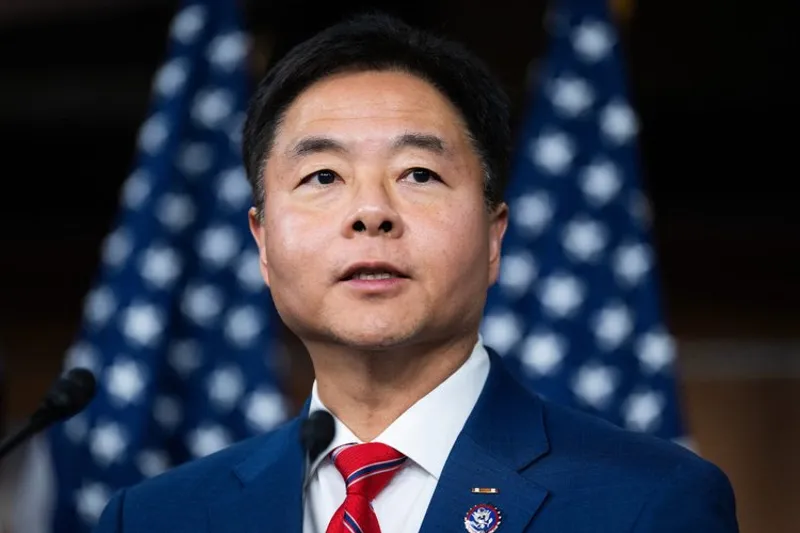
TLDR: WASHINGTON—Democrats fracture over AI regulation: Rep. Lori Trahan and Jay Obernolte back a bipartisan draft that preempts state AI rules for three years, but Democrats led by Ted Lieu reject it as too weak. Meanwhile, Sen. Bernie Sanders advances an AI sovereign wealth fund idea that even Trump signals interest in, as public anxiety grows over jobs, dividends, and data center expansion.
Key Takeaways:
- Democratic lawmakers are racing to regulate AI as voters worry about jobs, national security, and environmental impact, and even Republicans are selectively engaging the ideas.
- Trahan and Obernolte released a bipartisan framework with three year preemption of state AI development laws, drawing opposition from Democrats and groups including AFL CIO, ACLU, and Americans for Responsible Innovation.
- Sanders pushes a 50 percent federal stake in major AI firms through an AI sovereign wealth fund, aiming for public dividends and board power, while critics warn a government stake risks slowing innovation.

Democrats want to control the AI rush, but they cannot agree on the steering wheel. One camp fights federal overreach and another wants public ownership, yet both are chasing the same voter panic.
Democrats want to control the AI rush, but they cannot agree on the steering wheel. One camp fights federal overreach and another wants public ownership, yet both are chasing the same voter panic.
Q&A
If Democrats cannot agree on state law preemption, what compromise could survive committee markup and floor votes?
Expect narrower federal guardrails that leave more room for states on enforcement, disclosures, or timelines, paired with a negotiated scope for any preemption language.
What happens to the stalled Trahan approach if Congress delays action into an election year?
State and local bans and regulations will likely fill the gap, increasing a patchwork that makes compliance harder for companies and more politically combustible for Democrats.
Why does Sanders land support when his plan sounds like a radical ownership model?
The pitch reframes risk into a public stake and dividends, aligning with broad unease about wealthy tech investors even when parties disagree on nationalizing or federal control.
Could Trump’s interest in federal stakes accelerate talks, or does it mostly harden industry opposition?
It could accelerate attention and bargaining, but it also gives critics a political handle to argue against government interference, increasing pressure for safeguards and narrower authority.
How do AI data center bans and AI ownership debates connect behind the scenes?
Both target who bears costs and who profits. Data center fights focus on local harms and energy burdens, while wealth fund proposals focus on who gets economic returns and governance power.




No comments yet. Be the first to share your thoughts!