
 AI
AI Google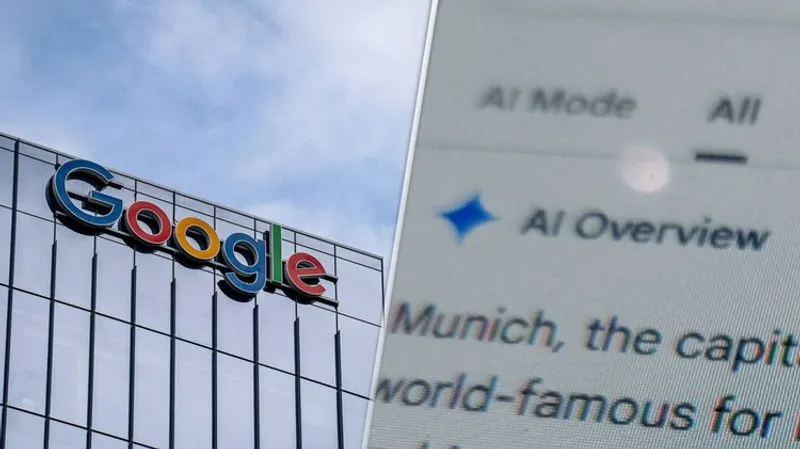
TLDR: MUNICH—Germanys Munich Regional Court ruled Google liable for false AI Overview claims. The injunction targets claims about two Munich publishers and Google must pay 80% costs.
Key Takeaways:
- Germany has earlier rulings limiting liability for third party material in traditional search results, citing tighter control by intermediaries.
- Munich Regional Court said AI Overviews create independent new statements, and Google influence over algorithms makes it responsible for inaccuracies.
- Even with links to sources, the court rejected the trust warning defense, signaling potential international pressure on how AI search answers are treated legally.

Google bet big on AI answers that read like Google authored them, not like links you click. A German judge basically called that bluff and made the bill, plus liability, land on Googles desk.
Google bet big on AI answers that read like Google authored them, not like links you click. A German judge basically called that bluff and made the bill, plus liability, land on Googles desk.
Q&A
What changes for Google next time it ships AI Overviews?
Google will likely tighten sourcing, attribution checks, and internal review for AI generated statements, because a simple warning about not blindly trusting did not block liability.
Why did the court treat AI Overviews differently from standard search results?
It reasoned that AI Overviews produce independent new substantive statements that resemble direct information from Google, not just a pointer to third party content.
How could this ruling affect publishers outside Germany?
Courts in other countries may cite the reasoning about algorithm driven statements and user perception, even if outcomes vary under local defamation and intermediary liability rules.
If users can click sources, why did that fail as a liability shield?
The court said the ability to verify does not regularly excuse a misleading statement, especially when the AI output itself drives what users read and believe.
What does the algorithm versus conviction framing mean for free speech arguments?
It shifts the focus from who held an opinion to how an automated system produces and selects statements, which can make rights based defenses harder to sustain.




No comments yet. Be the first to share your thoughts!