
 AMD
AMD AI
AI Copilot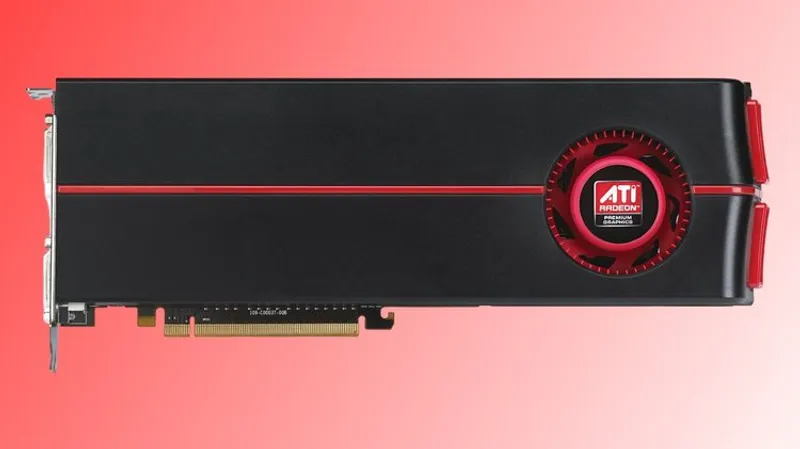
TLDR: Gert Wolny updated the open source R600 Gallium3D Linux driver with GitHub Copilot refactoring, easing shader compiler code for AMD Terascale GPUs. With no AMD support, the community depends on this work to keep vintage graphics hardware running.
Key Takeaways:
- AMD Terascale GPUs from the Radeon HD 2000 era rely on the R600 Gallium3D driver for Linux via Mesa.
- Gert Wolny used GitHub Copilot to refactor shader compiler code without changing driver behavior, improving maintainability.
- AI assisted refactoring may extend the life of unsupported legacy GPUs, but it raises questions about how long community upkeep lasts.

For people still gaming on decade old silicon, this is the unglamorous kind of progress that matters. AI did not reinvent graphics, it just cleaned the code well enough to keep old hardware breathing.
For people still gaming on decade old silicon, this is the unglamorous kind of progress that matters. AI did not reinvent graphics, it just cleaned the code well enough to keep old hardware breathing.
Q&A
If AMD never returns to R600 maintenance, what will likely determine whether these drivers keep working long term on new Linux stacks?
Driver maintainers will need to track changes in Mesa, the Linux kernel graphics interfaces, and toolchains, then refactor and test to preserve compatibility as dependencies evolve.
Why does refactoring shader compiler code matter as much as performance tweaks for legacy GPUs?
Cleaner compiler code can reduce regressions and make future fixes faster, so even small compatibility improvements can prevent “it still runs but now breaks” failures.
Could Copilot style assistance shift the bottleneck from coding to validation and benchmarking?
Yes. Even if AI speeds up edits, maintainers still must verify correctness across different workloads, resolutions, and kernel or Mesa versions.
What happens if AI refactoring produces changes that look safe but affect rare rendering paths?
Community testing and driver test suites become critical, since subtle shader edge cases may only show up with specific apps or games that exercise uncommon GPU paths.
How might this kind of workflow influence the future of open source hardware support beyond GPUs?
It could encourage more “refactor first” maintenance for aging projects, where AI helps keep code readable enough for humans to add targeted bug fixes over time.




No comments yet. Be the first to share your thoughts!