
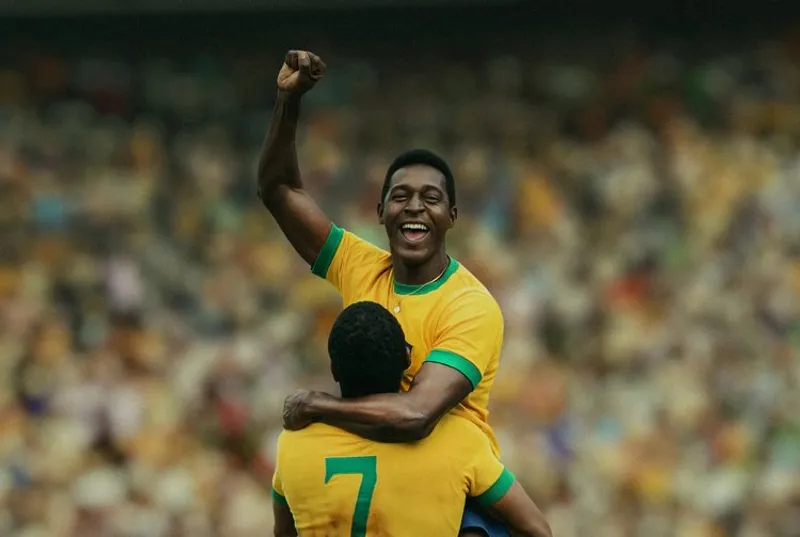
TLDR: NEW JERSEY—The Morelli father son team recreates Brazil 1970’s run for Netflix, with 1300 VFX shots.
Key Takeaways:
- Context: Paulo and Pedro Morelli aim for a players eye view of Brazil’s 1970 World Cup in Mexico.
- Main event: Lucas Agrícola plays Pelé; Paulo cites 1300 VFX shots to put viewers next to Pelé, Gérson, and Rivelino.
- Meaning: The series links football to national mood under dictatorship, hoping today’s Brazil squad draws belief before matches.

Netflix is treating Pelé like a front row seat, not a distant legend. When the camera moves in, even old match pressure starts to feel personal again.
Netflix is treating Pelé like a front row seat, not a distant legend. When the camera moves in, even old match pressure starts to feel personal again.
Q&A
Why did the filmmakers push the camera next to players instead of matching 1970 broadcast style?
They wanted emotional proximity to Pelé and the squad, replacing low clarity distant shots with an inside the mind experience.
What does the 1300 VFX shot count suggest about the balance between recreation and invention?
It signals heavy rebuilding of pitch action and period detail, likely requiring carefully designed composites and choreography beyond literal archive footage.
How might Lucas Agrícola’s lack of acting experience shape Pelé’s portrayal on screen?
The team banked on football realism plus months of rehearsal and an acting coach, which can make body language feel authentic even if delivery develops.
Why set the release before Brazil’s 2026 opener with Morocco?
The timing gives fans and players a shared viewing moment, turning a historical drama into a pre match morale tool.
What future risk comes with turning a recorded World Cup into interpretive dialogue?
The show can feel truthful in spirit while still inviting debate about invented conversations, making audience reactions part of the real narrative.


No comments yet. Be the first to share your thoughts!