
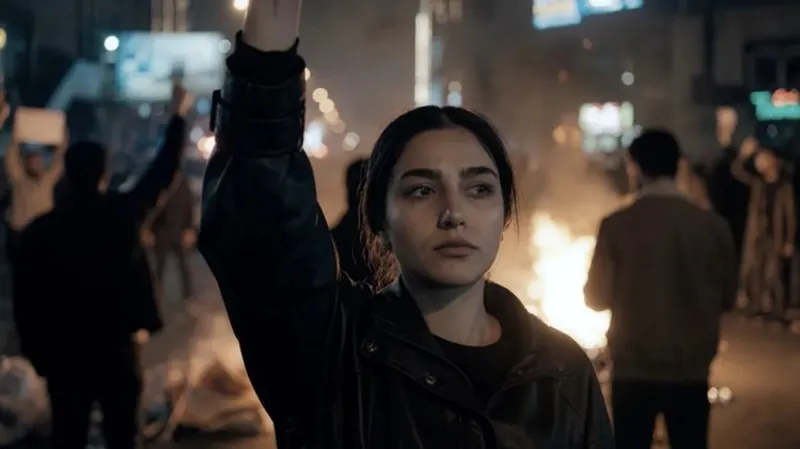
TLDR: NEW YORK—Fountain 0s AI generated docudrama Dreams of Violets, inspired by January protests in Iran, premieres June 10 at the 2026 Tribeca Festival. Every image and person is AI generated, but the story draws from journalistic reports, photographs, and eyewitness accounts about civilian deaths.
Key Takeaways:
- Brothers Ash and Pooya Koosha, Iranian born, made Fountain 0 after leaving Iran in 2009.
- Dreams of Violets is a 75 minute docudrama feature and uses AI systems including Kling AI and Claude AI.
- A $2,000 budget claim raises questions about witnessing real deaths, plus fears and jobs tied to AI filmmaking.

This is the moment AI stops being a novelty and becomes an editorial choice, complete with a festival badge. The creators call it witnessing, Hollywood calls it unsettling, and the audience gets to decide whether the missing faces matter more than the synthetic ones.
This is the moment AI stops being a novelty and becomes an editorial choice, complete with a festival badge. The creators call it witnessing, Hollywood calls it unsettling, and the audience gets to decide whether the missing faces matter more than the synthetic ones.
Q&A
What does Tribeca need to prove, beyond technical realism, to keep audiences trusting this docudrama format?
Expect scrutiny around sourcing transparency, editorial safeguards, and how the team handled eyewitness accounts and identifying details before AI animation.
If every image and person is AI generated, how might Iranian families and affected communities influence future versions?
Pressures could grow for review input, consent frameworks, or additional contextual disclaimers that reflect people closest to the events.
Will the June 10 premiere shift expectations for AI production budgets in independent filmmaking?
If the $2,000 claim holds under scrutiny, other teams may chase similar workflows, forcing festivals and unions to revisit fairness, disclosure, and credit rules.
Why does a docudrama framing matter more than the tool being used?
Docudrama signals interpretation, so audiences will judge not just realism but moral framing, pacing, and whose perspective the film privileges.
Could this model trigger legal or platform policy changes for AI reenactments of real violence?
High profile festival attention often accelerates enforcement, so expect clearer rules about using likenesses, depicting identifiable individuals, and labeling AI generated content.





No comments yet. Be the first to share your thoughts!