
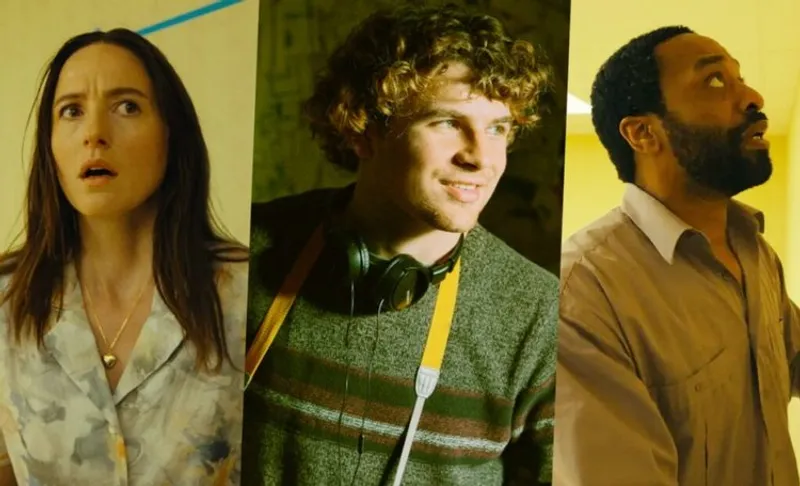
TLDR: Mark Duplass shut down rumors claiming he or someone else directed A24 horror Backrooms, saying director Kane Parsons was 100 percent in control. The dispute follows Parsons turning a viral YouTube short into a theatrical debut, and affects how credit and authorship get read.
Key Takeaways:
- Kane Parsons built Backrooms from a viral YouTube short, then reached theaters with A24 and a breakout cast.
- Duplass directly debunked the accusation, asserting Parsons was 100 percent in control of the production.
- The fight over authorship signals how fast online hype can flip into credit conspiracy around young directors.

When a 20 year old turns a viral short into an A24 release, jealousy moves faster than fact checking. Duplasss blunt endorsement makes the real headline less about the twist and more about who gets to claim it.
When a 20 year old turns a viral short into an A24 release, jealousy moves faster than fact checking. Duplasss blunt endorsement makes the real headline less about the twist and more about who gets to claim it.
Q&A
What does Duplasss public backing change for future young director debuts after viral breakout stories?
It sets a stronger precedent for on record cast support, which can discourage rumor cycles and clarify responsibility when audiences scrutinize authorship.
Why do conspiracy theories about direction credit spread so quickly when a film arrives with strong critical buzz?
Early hype creates a demand for a single narrative explanation, so viewers and commenters sometimes convert ambiguity in process into certainty about who must have controlled the outcome.
How might A24 handle similar credit disputes if they become a pattern for breakout creators?
The studio can lean harder on production notes, interviews, and official filmmaking credits to reduce room for alternate origin stories.
What impact could this controversy have on Kane Parsons creative relationships with producers and collaborators?
It may push collaborators to document decision making more carefully, while also strengthening Parsons because high trust becomes more visibly tied to clear leadership.
If audiences keep trying to decode a directors hand after twists, what happens to public expectations of filmmaking transparency?
Expectations may shift toward behind the scenes proof, where viewers want not just the result but also confirmation of who directed every major choice.



No comments yet. Be the first to share your thoughts!