
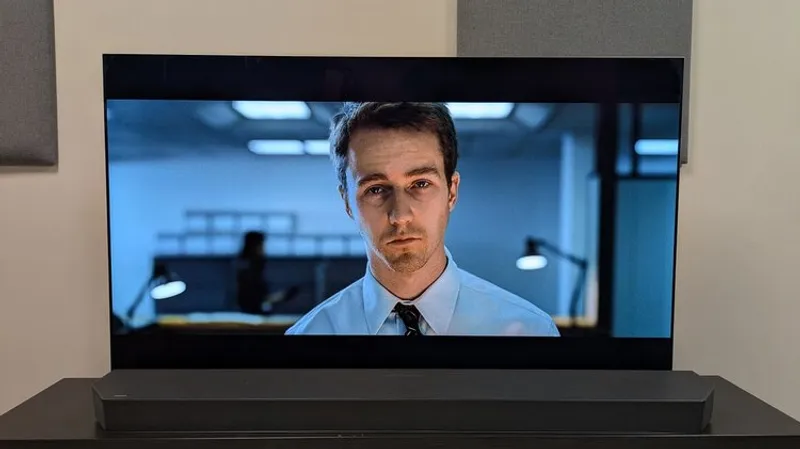
TLDR: Fight Club hit 4K Blu ray with HDR10 and DTS HD 5.1 but no Dolby Vision or Atmos, plus Fincher driven tweaks disputed on Reddit.
Key Takeaways:
- The 4K disc arrives after years of 1080p Blu ray and Disney Plus HD, tested on LG G5, Panasonic DP UB820, Samsung HW Q990C.
- The release omits Dolby Vision and Dolby Atmos, using HDR10 and DTS HD 5.1 Master Audio, while Reddit users cite altered visuals.
- Fincher style changes, from Marla skin smoothing to narrator framing, split fans: sharper HDR but uneasy authenticity.

Some home theater fans wanted the full Dolby stack, but got HDR10 muscle instead. Meanwhile, the image tweaks turn a pristine upgrade into a trust test, because people will always notice when the film blinks back.
Some home theater fans wanted the full Dolby stack, but got HDR10 muscle instead. Meanwhile, the image tweaks turn a pristine upgrade into a trust test, because people will always notice when the film blinks back.
Q&A
If Dolby Vision is missing, how much does HDR10 depend on your TV settings versus using Dolby tuned metadata?
HDR10 can still look great, but its tone mapping relies more on your display and player combination. Fans sensitive to dark scene detail may see more variance than with Dolby Vision.
Why do filmmakers sometimes prefer consistent grading metadata, even when Dolby Vision exists as a standard feature?
Dolby Vision uses shot by shot dynamic metadata, which can conflict with a director approved restoration workflow, especially if the master or look depends on a specific finishing approach.
What happens to collector demand when a director approved remaster changes visible frames compared with earlier releases?
Demand can split into two camps, people chasing the best picture quality and people seeking a film that matches the version they love. That divide often fuels long tail resale and comparison threads.
How could the shift from front to rear emphasis in the DTS HD 5.1 mix change the fight sequence experience on different speaker setups?
Bar based systems can exaggerate channel movement as mixes steer attention. On setups with different height and surround tuning, the same mix may feel either more immersive or more distracting.
Is the controversy likely to fade after more viewers compare discs, or will it become the new normal for high profile 4K restorations?
It will likely persist because side by side comparisons are easy to repeat and hard to unsee. Once a credible list of differences spreads, future releases face the same scrutiny.
Top in Film & TV

Brian Geraghty joins Kockroach amid Hemsworth and Egerton

Jane Schoenbrun weaponizes slasher reboot culture into queer horror delirium

Mark Duplass shuts down Backrooms director credit rumors

House of the Dragon energizes Team Black with Winter Wolves

No comments yet. Be the first to share your thoughts!