
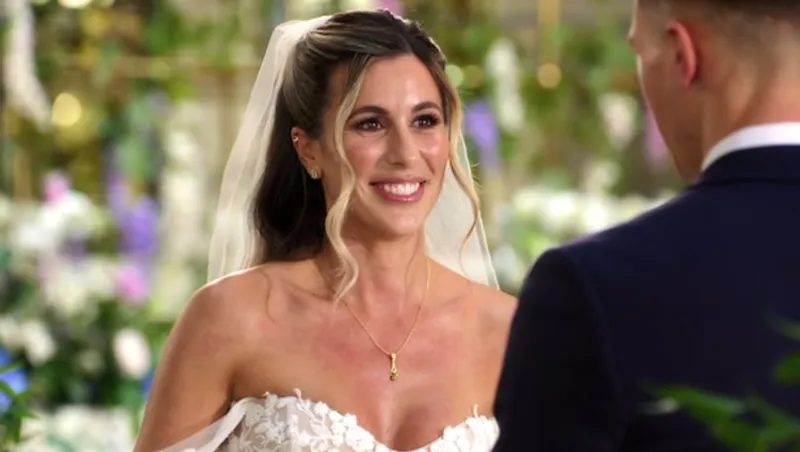
TLDR: LONDON—Love Is Blind UK stars Catherine Richards and Jake Singleton Hill say welfare support is not independent from producers. Their claims follow a UK MAFS rape allegations scandal, and Channel 4 ordered reviews.
Key Takeaways:
- Reality dating and matchmaking shows in Britain face fresh scrutiny as the MAFS scandal pushes welfare and safeguarding independence into focus.
- Catherine Richards said welfare shared confidential details and cameras appeared within minutes after a private welfare conversation in Camden, London.
- Netflix and CPL say protocols stay separate and therapy is available, but the dispute could intensify calls for fully independent safeguarding entities.

When “safe space” comes with camera access, trust becomes the real storyline. Netflix and CPL insist boundaries hold, but contestants want welfare to be untouchable by production.
When “safe space” comes with camera access, trust becomes the real storyline. Netflix and CPL insist boundaries hold, but contestants want welfare to be untouchable by production.
Q&A
If welfare teams must protect privacy, what would true independence look like in a reality set?
It would mean welfare staff report outside the production chain, with strict data controls, decision authority to halt filming, and documentation that cannot be repurposed for storylines.
Why do producers still rely on welfare signals even when independent psychologists are available?
Because production teams operate on fast timelines and need real time risk flags, so the industry often blurs escalation workflows with content planning unless governance is redesigned.
Could the MAFS allegations force changes beyond reality dating, like documentary and scripted production?
Yes. Scrutiny around duty of care can spill into any format using close human access, pushing wider reforms on consent, confidentiality, and on set mental health escalation.
What might happen to Love Is Blind UK casting and screening if contestants believe welfare cannot advocate freely?
Recruiters may see more cautious talent intake, higher legal review, and stronger consent terms, while welfare policies could become a selling point or a liability during disputes.
What happens to participants’ aftercare if concerns are handled mainly through checklists and online sessions?
They may push for longer term, in person, clinically led follow up with clear escalation paths for severe distress, plus independent oversight of outcomes.





No comments yet. Be the first to share your thoughts!