
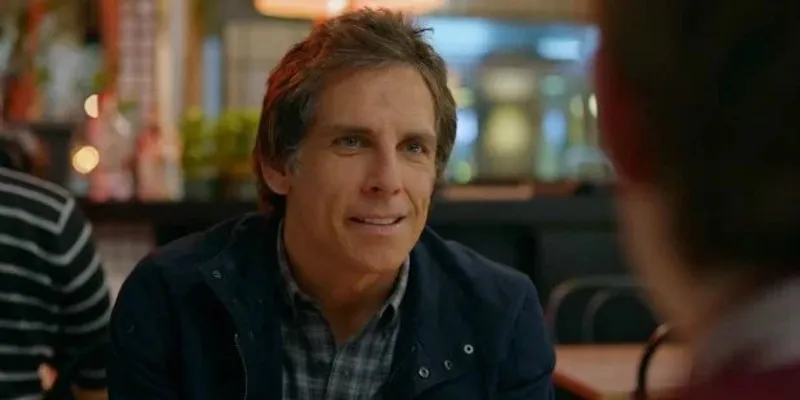
TLDR: NEW YORK—Ben Stiller, Nicholas Galitzine, and Bella Maclean star in Netflix film A Matter of Time, directed by Harry Bradbeer. Casting debuted during Netflix upfront in New York.
Key Takeaways:
- Netflix and Sony Pictures are expanding a first look streaming partnership tied to Sony slated movies.
- Harry Bradbeer directs with a script by Justin Haythe, Madeleine George, Peter Byrne, and Simon Beaufoy, featuring an angel and a reclusive man.
- The death then romance setup suggests the story will remix fate and persuasion into something built to shift history.

Netflix is leaning into star power and twisty premise, and it sounds like A Matter of Time will treat romance like a historical weapon. If it lands, it will be less angel tale and more plot that refuses to sit still.
Netflix is leaning into star power and twisty premise, and it sounds like A Matter of Time will treat romance like a historical weapon. If it lands, it will be less angel tale and more plot that refuses to sit still.
Q&A
Why does pairing an angel premise with a romance feel like a risky creative bet for Netflix?
It forces two tonal engines to share the same momentum. Romance needs chemistry and emotional follow through, while angel stories demand myth logic, so the script must balance wonder with character payoff.
What does Sony giving Netflix first look imply for how quickly this film could move into production?
First look deals often compress decision timelines because Netflix can greenlight within an established slate pipeline. That can mean faster development once early creative packages impress.
How might Ben Stiller and Nicholas Galitzine’s very different on screen energies shape the reclusive man character?
Stiller often brings controlled specificity and sly gravitas, while Galitzine tends to add forward momentum and romantic intensity. Together they can create a reclusive character who feels guarded, but still emotionally readable.
What could “impending death triggers a new lease on life” change about the film’s stakes?
It reframes fate from a fixed sentence into a pressure cooker. Instead of just awaiting doom, the character likely gains agency, which raises the risk that personal choices become global consequences.
If the story threatens to change the course of history, what’s the most credible way to pull that off without confusing viewers?
The film will likely tie changes to clear cause and effect, such as specific relationships and decisions. It can keep the timeline legible by anchoring each shift to visible outcomes rather than abstract world building.





No comments yet. Be the first to share your thoughts!