
 Trump
Trump GOP
GOP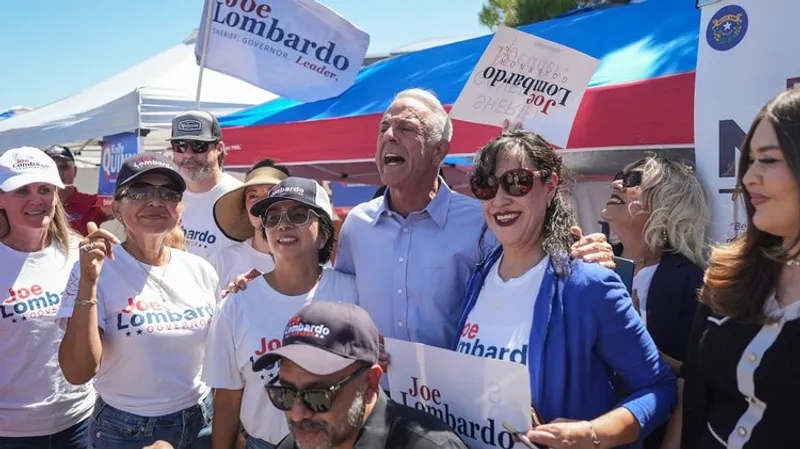
TLDR: LAS VEGAS—Nevada GOP Gov. Joe Lombardo faces Democratic Attorney General Aaron Ford after the primary set up a fresh test of GOP survivability. The race hinges on affordability, Trump tied tariffs, and fear of immigration enforcement, with implications for 2028.
Key Takeaways:
- Nevada votes on razor margins and has seen a surge in registered independents since Lombardo’s 2022 1.5% win.
- Ford attacks affordability as “Lombardo Trump” economics, while Lombardo argues job growth despite tariff pain and cites education funding gains.
- The winner could signal whether GOP governors in battleground states can separate from Trump under low approval and economic stress.

Nevada is doing what it always does: forcing every campaign to prove it can govern, not just campaign. For Lombardo, distancing from Trump is selling a product that still carries Trump’s barcode.
Nevada is doing what it always does: forcing every campaign to prove it can govern, not just campaign. For Lombardo, distancing from Trump is selling a product that still carries Trump’s barcode.
Q&A
If tariffs drive short term “pain” at the state level, what leverage does Nevada have to mute the impact during a gubernatorial campaign?
Nevada candidates can shift focus to measurable state actions like job programs, education spending, and targeted enforcement priorities, while attacking federal tariff costs through lawsuits and direct affordability messaging.
Why does Nevada’s independent surge matter more to a governor race than to a presidential one?
Presidential outcomes often ride party alignment, but governor races put independents in the role of “judges” on everyday costs like housing, healthcare, and unemployment, where incumbents can be punished or rewarded quickly.
What does Ford’s court strategy imply about the next battlefield after election day?
It suggests post election governance could turn into a legal campaign, with the attorney general office functioning as a parallel power center that challenges tariff and immigration moves in court.
How might education funding and school choice arguments land with Nevada’s Latino working class voters compared with national partisan themes?
Education promises can feel concrete when tied to school access and graduation outcomes, but affordability concerns can overpower curriculum debates if voters believe household costs are still rising.
If GOP governors want to compete in battleground states without Trump baggage, what failure mode would Nevada expose first?
Nevada could reveal that distancing works only when the economy feels better immediately; if unemployment stays high and tourism weak, voters may treat the governor as too closely linked regardless of rhetoric.



No comments yet. Be the first to share your thoughts!