
 AI
AI Bitcoin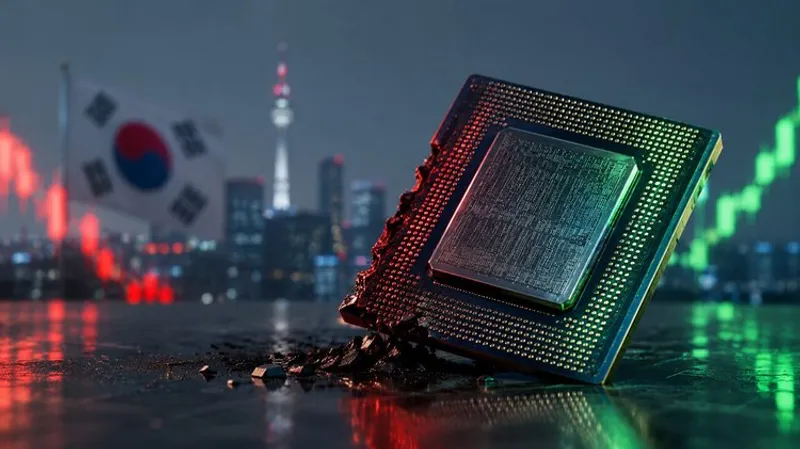
TLDR: SEOUL—South Korea's KOSPI plunged 8.29% then rebounded 8.18% in two sessions, nearly 17% overall, as a strong May jobs report pushed Fed rate cuts off.
Key Takeaways:
- KOSPI is heavily concentrated in Samsung Electronics and SK Hynix, so AI hardware bets drive most of the index’s direction and risk.
- KOSPI fell 8.29% on June 8 after a 20 minute automatic trading halt, then jumped 8.18% the next day, with margin debt at a record 37.74 trillion won.
- Higher rate expectations tightened liquidity for AI and Bitcoin alike, while leverage turned losses into forced selling, making volatility feel crypto like.

The KOSPI just proved a blunt truth about modern markets: when confidence and liquidity tighten, “AI” and “crypto” act like the same trade wearing different tickers. Leveraged momentum can erase trillion won fast, then reverse just as quickly when investors regain permission to take risk.
The KOSPI just proved a blunt truth about modern markets: when confidence and liquidity tighten, “AI” and “crypto” act like the same trade wearing different tickers. Leveraged momentum can erase trillion won fast, then reverse just as quickly when investors regain permission to take risk.
Q&A
Why can one US jobs report move both KOSPI and Bitcoin even without a direct corporate link?
Because the jobs data shifts Federal Reserve rate expectations, changing liquidity and risk appetite across speculative assets that tend to move together when borrowing costs and discount rates move.
What tends to happen to margin debt after a fast index rebound like KOSPI’s two day swing?
Margin pressures often ease temporarily, but if volatility stays elevated, traders may keep de risking policies, raising the odds of another whipsaw when the next catalyst hits.
Why does KOSPI’s heavy weighting in Samsung Electronics and SK Hynix magnify index level swings compared with broader markets?
When two dominant names lead most gains, they also lead most losses, so any earnings forecast change or guidance miss can overwhelm the rest of the index.
Could automatic trading halts make the next move worse instead of calming it?
Halts can pause execution, but they can also concentrate selling or buying into the reopen window, which may intensify the first waves of price discovery.
What will the June 16 to 17 Fed meeting likely decide for investors watching AI and Bitcoin together?
Whether policymakers signal earlier or slower rate cuts, which determines whether “easy money” returns for leveraged growth trades, or stays scarce enough to keep both AI and crypto under pressure.
Top in Stocks
SpaceX IPO targets retail buyers, while Musk control looms

SpaceX IPO set for June 12, SPCX pricing tension
ExxonMobil, Cheniere and GE Vernova ride policy momentum

Amazon opens LTL access, freight shares slide on threat

No comments yet. Be the first to share your thoughts!