
 Amazon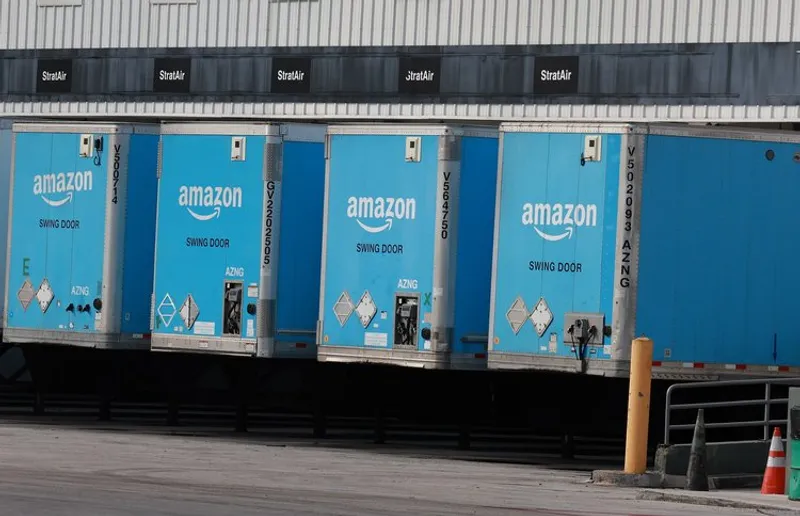
TLDR: MIAMI—Amazon announced it will open less than truckload shipping nationwide to all businesses, triggering drops in Old Dominion, ArcBest, XPO, Saia, and FedEx Freight.
Key Takeaways:
- Amazon has built logistics muscle by serving its own deliveries with cargo planes, delivery vans, and a growing network of trailers and containers.
- Amazon Supply Chain Services will let any business ship via its LTL network and reach any U.S. destination, beyond Amazon warehouses.
- Incumbent freight carriers face fresh price and volume pressure as Amazon sells freight tech, visibility, and reliability to outside shippers.

Amazon is taking the playbook it used to keep its own deliveries fast and dependable, then selling the shortcut to everyone else. Freight stocks felt the squeeze immediately, because the next fight is about who controls lanes, not who owns trucks.
Amazon is taking the playbook it used to keep its own deliveries fast and dependable, then selling the shortcut to everyone else. Freight stocks felt the squeeze immediately, because the next fight is about who controls lanes, not who owns trucks.
Q&A
If Amazon wins more outside shipments, what changes first for carriers, pricing or capacity planning?
Pricing pressure typically hits before capacity changes, since carriers can’t instantly reallocate terminals and drivers. Margin compression and bid wins for shippers tend to show up first.
Why does less than truckload create a bigger threat than Amazon’s full truckload ambitions?
LTL is where incumbents compete heavily on density and network coverage. If Amazon brings visibility and reliability to many customers on shared trailers, it attacks the core value carriers already sell.
How could Amazon’s “visibility” pitch affect customer behavior even if transit times stay similar?
Better tracking and fewer surprises shift decisions away from pure speed. Shippers may consolidate shipments or switch carriers to reduce claims, delays, and internal planning costs.
What happens to the remaining market share once Amazon proves demand beyond its own partners?
The market usually doesn’t shrink much at first, but share moves. Investors then reprice carriers’ growth assumptions and ability to defend lanes and contracts.
Could this push industry consolidation, and what would trigger it?
If volume and pricing stay volatile, smaller and mid size operators may struggle to cover fixed costs. Consolidation tends to follow persistent margin pressure and weaker contract renewals.
Top in Stocks

SpaceX IPO targets retail buyers, while Musk control looms

SpaceX IPO set for June 12, SPCX pricing tension

ExxonMobil, Cheniere and GE Vernova ride policy momentum

SpaceX IPO price pressure tests Peter Tuchman forecast

No comments yet. Be the first to share your thoughts!