
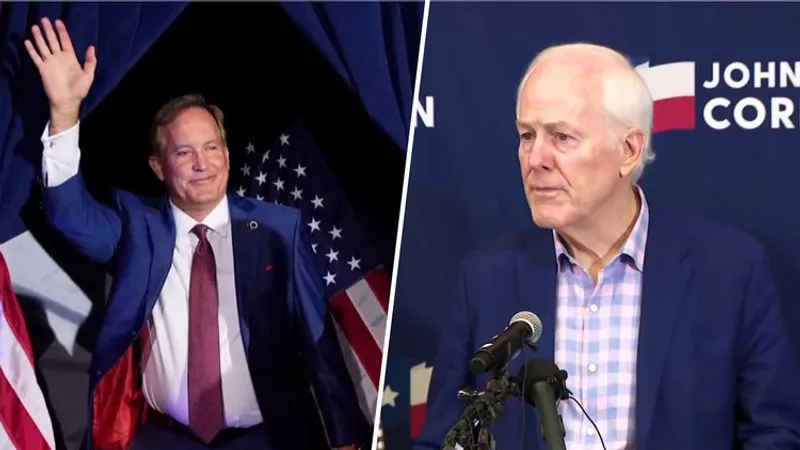
TLDR: TEXAS—Donald Trump endorsed Texas attorney general Ken Paxton, who beat senior Rep. John Cornyn in the Republican senate primary, reshaping the fall matchup. Paxton now faces Democratic nominee James Talarico and likely a tougher general election fight.
Key Takeaways:
- Background: The Texas Senate contest pivots after Trump-backed Paxton challenges long seated power, while Cornyn’s defeat ends a political run spanning decades.
- Main fact: Ken Paxton won the Texas GOP senate primary over senior Rep. John Cornyn, the second incumbent GOP senator to lose to a Trump endorsed challenger.
- Meaning: The fall race turns into a bruising contrast between Paxton and James Talarico, with party alignment testing Trump friendly dominance versus institutional Republicans.
- Background: The immediate consequence is control of the GOP ticket, moving campaign resources and media attention from primary networks to the general election battlefield.

Trump’s endorsement didn’t just spark momentum, it cut to the core of Texas GOP hierarchy. Now Paxton inherits the spotlight and the fight Cornyn spent years avoiding.
Trump’s endorsement didn’t just spark momentum, it cut to the core of Texas GOP hierarchy. Now Paxton inherits the spotlight and the fight Cornyn spent years avoiding.
Q&A
How does Paxton’s primary win change the GOP’s strategy heading into the fall?
It likely pushes the party toward a more Trump aligned message earlier, because campaign messaging and donor expectations typically lock in after a high profile primary upset.
Why might Cornyn’s defeat signal vulnerability for other institutional Republicans in upcoming primaries?
A loss framed as a Trump endorsement driven mandate can encourage challengers to target incumbents with similar profiles, especially where voters reward loyalty over seniority.
What does the Paxton versus Talarico matchup suggest about where suburban and independent voters will be tested?
General election focus often shifts to swing areas where the tone of the campaign matters, so Paxton will need to limit backlash while Democrats probe for fractures in GOP messaging.
What could surprise analysts in a race where both major party nominees carry heavy political baggage?
Turnout dynamics can defy models when one side motivates base voters through cultural or institutional themes, making persuasion less decisive than turnout gaps.
If Trump ends up influencing the general election tone, how could that affect down ballot races in Texas?
Top of the ticket signaling usually drags narratives across the ballot, which can boost allies aligned with the same brand while increasing scrutiny on Republicans who want distance.


No comments yet. Be the first to share your thoughts!