
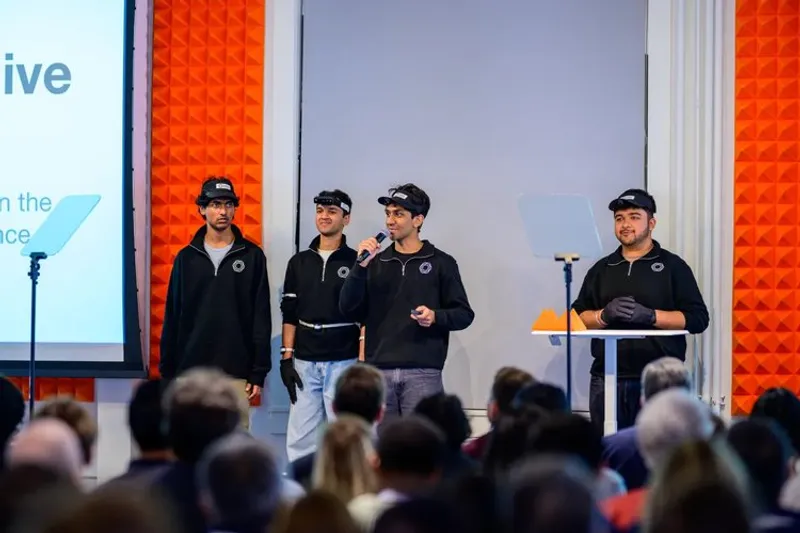
TLDR: NEW DELHI—Human Archive raised $8.2 million to train robots with egocentric video and sensor data from gig workers in India, but major home service firms rejected its requests, fueling public debate and privacy review.
Key Takeaways:
- Human Archive aims to turn India’s booming gig work into real world training data for physical AI, partnering across home services, hotels, and restaurants.
- The company says it has 1,000 active headset units and pairs RGB D video with tactile gloves, motion capture suits, and synchronized wrist and chest cameras.
- Despite growth and funding from Wing Venture Capital and others, Ministry attention and worker consent scrutiny could shape how fast egocentric data programs scale.
- One flashpoint: Urban Company’s Abhiraj Singh Bhal rejected the deal publicly, while Pronto discussions reportedly broke down after an initial proposal to collect worker data.

Turning gig work into robot training data is smart and awkward at the same time. If privacy concerns cool, this could become the quiet pipeline physical AI needs, powered by whoever shows up for the next shift.
Turning gig work into robot training data is smart and awkward at the same time. If privacy concerns cool, this could become the quiet pipeline physical AI needs, powered by whoever shows up for the next shift.
Q&A
What happens if India’s DPDP consent expectations tighten for egocentric recordings?
Human Archive would likely need stricter opt in workflows, tighter retention limits, and clearer purpose definitions, which could reduce data volume but improve long term partner trust.
Why did Human Archive fail to land big names like Urban Company and Pronto despite the obvious training value?
Large platforms may fear reputational risk, worker friction, or legal complexity, especially when customers can dispute service quality and video recording becomes part of that narrative.
Could expanding into the U.S. create data portability advantages for AI labs?
A cross geography dataset can help models generalize, but regulatory differences and different consent norms will determine whether Human Archive can match its India scale and sensor mix.
How does its sensor stack change the competitive game for physical AI?
The pitch is not just video but synchronized depth, motion, and tactile forces, which can reduce the guesswork labs face when translating demonstrations into reliable robot actions.
What would prove this approach works beyond demos and pilot studies?
Consistent model gains on measured robot task success rates across new environments would validate that the data quality and labeling are worth the integration effort.
Top in Startups

ClickHouse triples revenue as IPO rumors get louder

Bose sleep veteran SOND funds $7M and launches Dreambuds

Cognition books $1B raise as Devin wins enterprise demand

Drew Houston hands Dropbox CEO reins to Ashraf Alkarmi

No comments yet. Be the first to share your thoughts!