
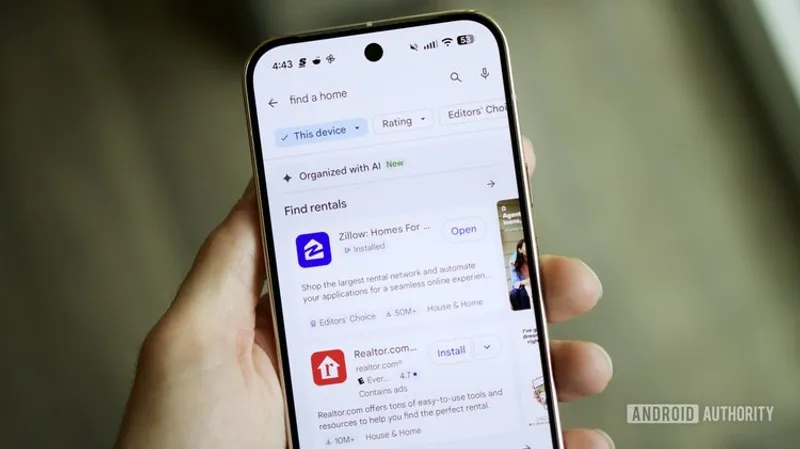
TLDR: Google is reportedly paying selected Play Store developers to license their app source code for a confidential pilot to improve Google AI coding tools. Developers keep ownership and IP rights, suggesting Google needs more usable training data for coding assistance.
Key Takeaways:
- Google may be short on fresh, high quality code data to train AI coding features tied to its ecosystem and developer reach.
- A 404 Media report says developers can license Play Store app source code to Google while retaining full intellectual property ownership.
- If expanded, this could reshape how Android developers benefit from AI tool demand and how Google competes with GitHub Copilot and Claude Code.

It reads like Google paying for the one thing AI coding rivals always seem to attract: real world code. The interesting part is the permission structure, where developers keep their IP while Google buys access.
It reads like Google paying for the one thing AI coding rivals always seem to attract: real world code. The interesting part is the permission structure, where developers keep their IP while Google buys access.
Q&A
If developers retain full ownership, what exactly does Google gain that public data cannot replace?
Usefulness likely comes from curating specific app level code patterns, project structures, and real production decisions that general web scraping may not capture cleanly.
What happens if the pilot improves Google AI coding accuracy, but developers refuse to join next?
Google could pivot to partnerships that package code indirectly, such as aggregators, enterprise device fleets, or selective app distribution deals, rather than raw source licensing.
Why would Google target Play Store developers instead of open source communities?
Store apps reflect diverse real world constraints and implementation styles. Open source often skews toward maintainers who publish, while commercial apps can represent different engineering tradeoffs.
Could licensing Play Store code raise privacy or security questions even if ownership stays with developers?
Yes, because source can embed secrets, credentials, proprietary logic, or sensitive user flows. Expect strict sanitization requirements and audit trails if the program scales.
How might this affect the next wave of AI features inside Android Studio and Google’s developer tooling?
If Google trains on licensed app code, it can tailor suggestions to Android and Play patterns, making AI assistance feel more specific than generic autocomplete style models.





No comments yet. Be the first to share your thoughts!