
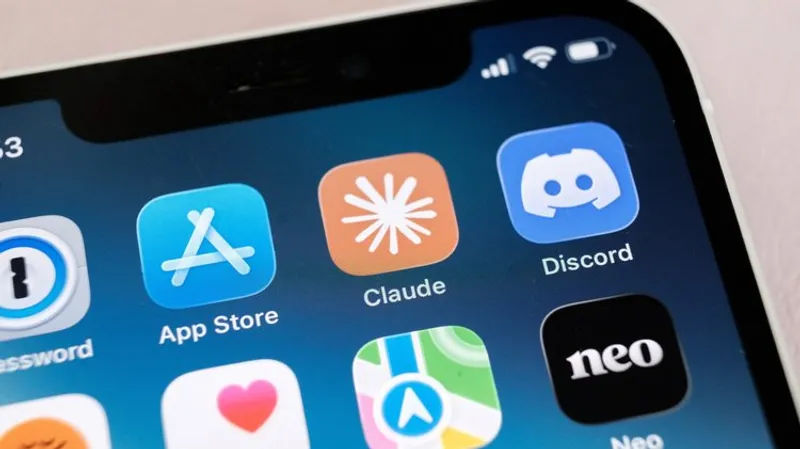
TLDR: Anthropic says free Claude usage runs on a rolling five hour window with message caps that vary by prompt demand and compute cost. Free accounts also get only Sonnet 4.6 and Haiku 4.5, web search, and uploads up to 20 files per chat, but they do not include Claude Code or Claude Design previews.
Key Takeaways:
- Anthropic’s caps are built around a rolling five hour window that starts with your first Claude prompt, not a midnight reset.
- Free users get Sonnet 4.6 and Haiku 4.5, plus Effort controls like Low, Medium, High, and Max and file uploads up to 20 files per chat and 500MB per file.
- Expect “moving target” limits because each prompt costs different tokens, and heavy inputs can trigger faster throttling while flagship tools remain paid only.

Claude stays free enough to experiment, but the fine print is doing pushups: rolling windows, token dependent throttles, and paid features that funnel serious work toward subscriptions.
Claude stays free enough to experiment, but the fine print is doing pushups: rolling windows, token dependent throttles, and paid features that funnel serious work toward subscriptions.
Q&A
If the limit is rolling, how should power users plan long tasks without getting blocked mid workflow?
Break work into smaller prompts, start heavy prompts early in a rolling window, and lean on Projects to keep context organized so you do not re upload or re explain from scratch.
Why do prompt length and attachments change throttling so much even when you send the “same number of messages”?
Claude cost tracks tokens, and attachments add extra tokens to analyze, so two chats with equal message counts can still consume limits at very different speeds.
What does “Effort” change under the hood for users who dislike surprise throttles?
Higher effort typically produces more thorough reasoning, which tends to burn limits faster, so choosing Low for routine questions can stretch usage.
Why does Anthropic omit flagship Opus from the free tier if Sonnet already performs well for many users?
This preserves differentiation and reduces inference costs at scale, pushing users who need maximum quality to pay while still keeping free users productive.
What happens to user expectations when ads stay off but training and safety processing remain possible?
Free access can feel generous, yet users may still need to adjust privacy settings and assume some internal handling for safety classifiers even with the Help improve Claude toggle off.





No comments yet. Be the first to share your thoughts!