
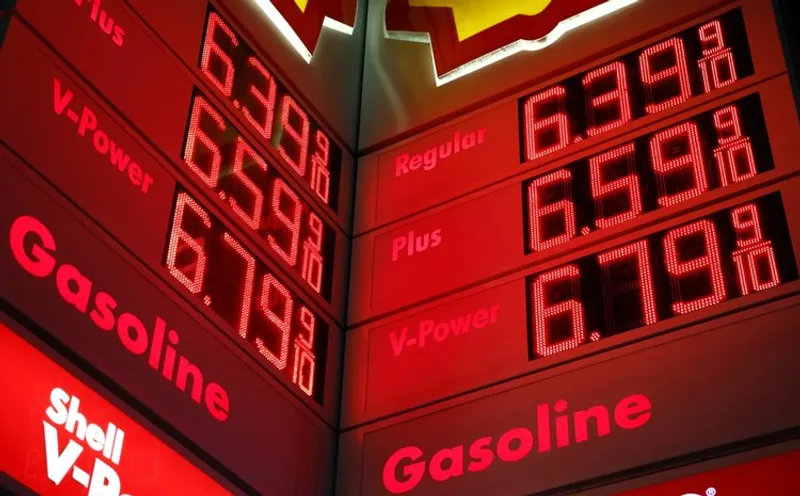
TLDR: WASHINGTON—University of Michigan data shows long run inflation expectations rising to 3.9% in May from 3.5% in April as energy shocks persist, including Strait of Hormuz disruptions. The shift worries the Fed because it can unanchor expectations, spread into wages, and undercut trust among even Trump supporters.
Key Takeaways:
- The consumer sentiment index hit a third straight month decline to a new low, echoing late 1970s crisis levels.
- Long run inflation expectations jumped to 3.9% in May from 3.5% in April, while year ahead expectations rose to 4.8%.
- The rise is driven by independents and Republicans, signaling Trump cannot easily cool inflation, and raising risks of wage price spirals.

This is the rare inflation story where doubt arrives before relief. When people believe prices will stay high, the Fed gets less leverage and every paycheck starts doing inflation’s work.
This is the rare inflation story where doubt arrives before relief. When people believe prices will stay high, the Fed gets less leverage and every paycheck starts doing inflation’s work.
Q&A
What could make long run expectations actually fall again, not just wobble?
Sustained cooler readings in energy and broader categories, plus credible Fed communication that anchors expectations, usually matters more than one tariff headline.
Why does the Fed care more about long run expectations than near term spikes?
Near term shocks can fade, but long run expectations influence wage bargaining and pricing behavior, making inflation harder to reverse.
How does the Strait of Hormuz factor into the survey psychology beyond gasoline prices?
Energy disruptions signal ongoing risk, and when households treat shocks as a repeating pattern, they update their belief about future inflation persistence.
If consumer surveys swing by party, what does that imply for election year economic messaging?
It suggests political trust can affect whether people believe policy will change inflation, so expectations may follow both data and narrative credibility.
What happens if the Fed keeps rates steady while expectations remain elevated?
If expectations stay unanchored, real borrowing and wage setting may adjust in ways that prolong inflation, forcing the Fed to choose between waiting and re tightening.



No comments yet. Be the first to share your thoughts!