
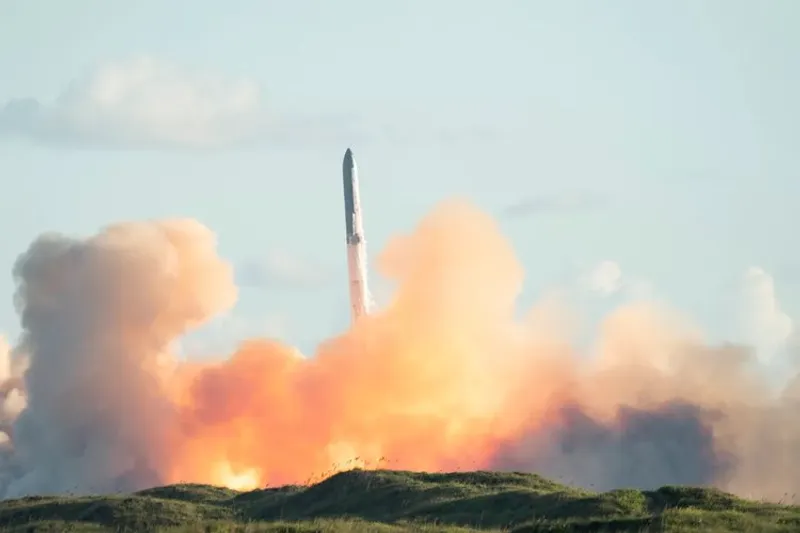
TLDR: WASHINGTON—The FAA declared a May 22 Starship Flight 12 mishap tied to the Super Heavy booster after stage separation, and ordered SpaceX investigation.
Key Takeaways:
- SpaceX is pushing Starship V3 Super Heavy upgrades, aiming for reliability and reuse ahead of a mid June IPO.
- FAA says the booster mishap occurred during the return burn after stage separation, likely linked to Raptor engine failures.
- More FAA oversight could delay Starship test launches, putting pressure on timelines that SpaceX needs for Starlink growth.

SpaceX built Starship V3 to be calmer and more dependable, then the booster staged a chaos act after separation. Now the FAA holds the stopwatch, and investors and engineers both feel it.
SpaceX built Starship V3 to be calmer and more dependable, then the booster staged a chaos act after separation. Now the FAA holds the stopwatch, and investors and engineers both feel it.
Q&A
What will the FAA likely scrutinize first in SpaceX’s investigation of the Super Heavy return burn?
Sequence of events after stage separation, Raptor ignition and shutdown telemetry, and any control software or plumbing changes tied to the V3 booster upgrade.
Why might the booster have separated cleanly yet still trigger a cascade of failures during the sustained burn?
Separation confirms mechanical separation timing, but the return burn depends on stable engine starts, mixture performance, and thrust control right after hot staging.
How could SpaceX respond without violating FAA conditions on next launches?
SpaceX can keep working on hardware analysis, ground tests, and simulation updates while waiting for FAA acceptance of corrective actions and an approved final report.
What does recurring FAA mishap oversight suggest about how regulators are treating Starship’s development risk?
It signals the FAA expects frequent, documented fault learning before scaling test cadence, especially for high energy boosters near populated infrastructure.
If Starship reliability slips, how would that most directly hit SpaceX’s business plans?
Starlink growth depends on Starship’s ability to deliver heavy payloads cheaply and consistently, so delays would raise cost and schedule pressure across launches.





No comments yet. Be the first to share your thoughts!