
TLDR: NEW YORK—Comité Colbert launches Hidden Treasures, 250 Years of Franco American Luxury Stories at The Shed in Hudson Yards, running until May 31. Dior and Louis Vuitton and 65 others target 10,000 to 15,000 visitors with a cultural pitch aimed at the US luxury market, not near term sales.
Key Takeaways:
- The exhibition celebrates 250 years of Franco American friendship, organized by Comité Colbert, which promotes French luxury, craftsmanship, and policies from sustainability to AI.
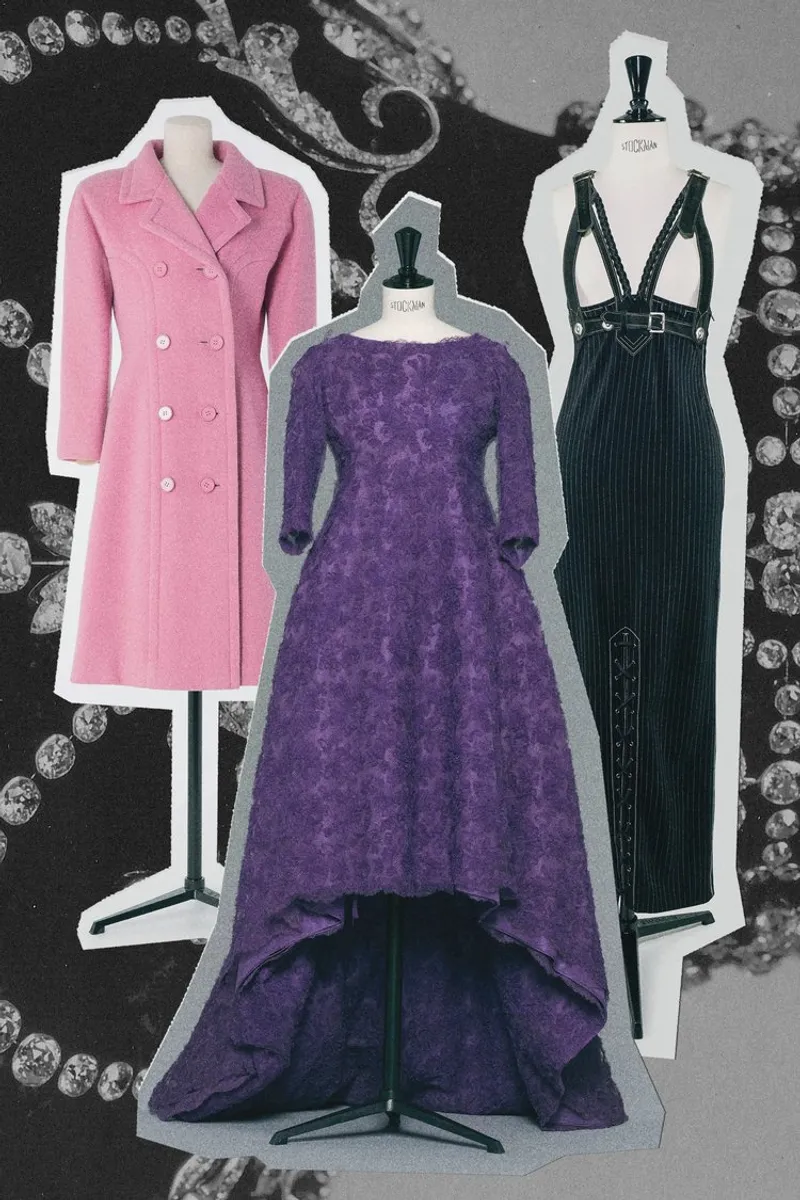
- Hidden Treasures brings 65 French luxury maisons and institutions to The Shed in Hudson Yards, featuring Cartier Apollo 11 related replicas and Jacqueline Kennedy and Madonna fashion pieces.
- Brand leaders call it rallying and clienteling, with privatized mornings for VIPs and store side events, reflecting US resilience despite uneven luxury spending elsewhere.

This is soft power with hard edges: Dior and Louis Vuitton are buying attention with artifacts and storytelling, then cashing in through VIP access. It is less a sales pitch than a reminder that New York is part of the maisons, not just their destination.
This is soft power with hard edges: Dior and Louis Vuitton are buying attention with artifacts and storytelling, then cashing in through VIP access. It is less a sales pitch than a reminder that New York is part of the maisons, not just their destination.
Q&A
If the show is not built to lift sales directly, what metric will brands likely watch instead during the run?
Brands will likely track VIP attendance, private event participation, client follow up, press pickup, and social engagement signals tied to Maison lists and store appointments.
Why do luxury houses treat exhibitions as “clienteling,” and what changes when they control the venue mornings?
Private morning access turns museum time into relationship time, letting brands choreograph the customer journey, staff attention, and product discovery without the noise of general foot traffic.
What does the lineup of American and Paris touchpoints suggest about how French luxury is repositioning in a K shaped US market?
It leans into heritage that flatters the top end while using cultural relevance to keep broader interest alive, betting that the top tier still sets the pace for the rest.
How could the exhibition influence future retail expansion decisions in US cities?
Positive turnout from regional audiences and strong media interest can validate city level demand, supporting plans like Boucheron store openings and shaping where next year growth gets funded.
What happens if the strategy of cultural storytelling becomes the new marketing baseline across luxury, not just a France specific advantage?
Then exhibitions may shift from headline stunts to ongoing infrastructure, raising the bar for access, curation, and interactivity so maisons must win attention with distinct narratives, not just brand names.
Top in Fashion

Dr. Cheyenne Bryant turns The Abbey anniversary into style pressure

Vogue bets on black dress silhouettes all summer

Cannes red carpet swings from vintage pulls to runway now

Swift and Kelce keep matching labels, then split their silhouettes

No comments yet. Be the first to share your thoughts!