
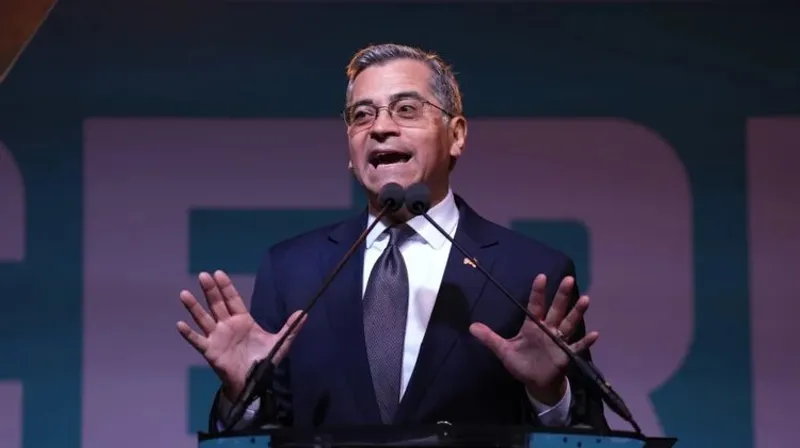
TLDR: LOS ANGELES—Establishment Democrats logged key wins in select races while GOP candidates looked strong in California, with nearly half of votes still uncounted. The outcome shapes who controls the path to the general election and how Trump aligned choices play with voters.
Key Takeaways:
- Context is tight in House focused races as votes lag behind, leaving California outcomes unsettled despite GOP momentum.
- Early results show Establishment Democrats winning key contests while the GOP remains competitive in California with about half of ballots uncounted.
- The remaining count could flip matchups and intensify pressure on Trump aligned decisions, including the DNI nominee and related backlash.

When half the ballots are still out, campaigns start acting like fortune tellers. Still, California momentum and the DNI backlash suggest this race is about loyalty as much as ideology.
When half the ballots are still out, campaigns start acting like fortune tellers. Still, California momentum and the DNI backlash suggest this race is about loyalty as much as ideology.
Q&A
If nearly half the votes are still uncounted, what patterns usually decide whether GOP momentum in California holds?
Late counting often swings toward precincts with different voter mix and turnout patterns, so the margins may shrink or expand based on which regions remain to report.
Why do Establishment Democrats winning key contests matter even if final totals change later?
Early wins can lock in donor confidence and local party infrastructure, which then affects candidate recruiting and spending in the general election.
How could backlash over a Trump DNI pick influence broader Republican messaging in down ballot races?
It can force GOP candidates to either distance from the nomination rhetoric or double down, and that choice can shift turnout among persuadable voters.
What happens if California GOP results keep looking good while other races tighten elsewhere?
National strategists may concentrate resources on California while reallocating away from districts where volatility looks higher, changing the campaign map quickly.
How might tariff related policy pressure reshape farmer loyalty tests for Trump aligned candidates?
If tariff costs land locally, candidates tied closely to those policies may face sharper primary and general election scrutiny from voters who feel the impact first.



No comments yet. Be the first to share your thoughts!