
 AI
AI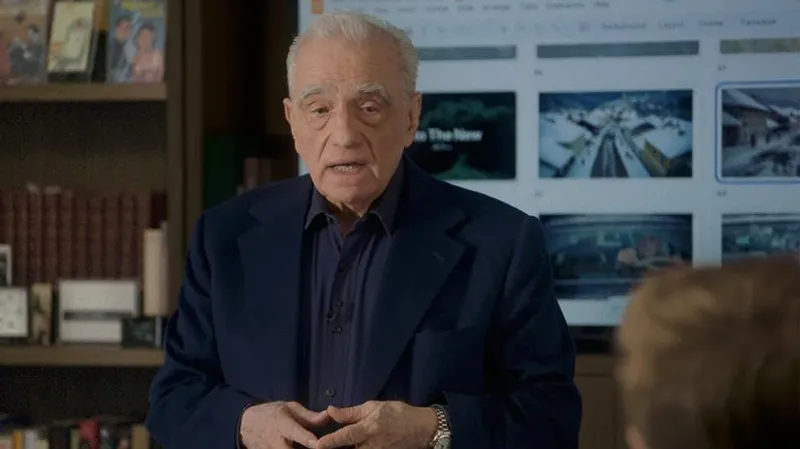
TLDR: The Art Directors Guild Local 800 criticized Martin Scorsese for advising Black Forest Labs FLUX storyboarding, saying it relies on scraped copyrighted art. Artists fear reduced credit and pay.
Key Takeaways:
- The Art Directors Guild Local 800 represents storyboard, concept, and production designers as generative AI accelerates Hollywood workflow changes.
- Scorsese appeared in Black Forest Labs ads for FLUX and called its tools “cinematic intelligence,” prompting Local 800 to say the tech bypasses union professionals.
- Union leaders warn AI trained on copyrighted internet material could consolidate roles and weaken credit, compensation, and transparency for artists.
- Local 800 specifically cited bypassing art directors, graphic artists, illustrators, and set designers from preproduction input and credit.

Scorsese frames FLUX as a time saving craft tool, but ADG hears a different soundtrack: artists being replaced while credit gets harder to find. The fight now shifts to what “cinematic intelligence” should mean for authorship.
Scorsese frames FLUX as a time saving craft tool, but ADG hears a different soundtrack: artists being replaced while credit gets harder to find. The fight now shifts to what “cinematic intelligence” should mean for authorship.
Q&A
If Scorsese is using FLUX only for speed during preproduction, what leverage does ADG actually have to change how studios adopt AI tools?
ADG can push contract language through negotiations and grievances, using its role in guild representation to demand disclosure on training data, crediting rules, and human review requirements.
What happens to storyboard artists when clients can generate quick visual options instead of commissioning bespoke panels?
Expect fewer revisions and shorter pitches, which can reduce paid storyboard hours and shift demand toward pipeline roles that supervise AI outputs rather than create all originals.
Why does the union focus on “input” bypass, not just end results and quality?
For ADG, authorship and collaboration happen at the early stage, so tools that skip human art directors threaten bargaining power, attribution, and who gets paid for creative direction.
Could Black Forest Labs respond by tightening data provenance or licensing terms, and would that satisfy the union?
If Black Forest Labs can document licensed datasets, consent, and transparent attribution, that could reduce the scraping allegation, but unions will still push for workflow participation and guarantees on credits.
How might this conflict influence future endorsements by famous directors of AI production software?
High profile partnerships may face faster backlash and reputational risk, pushing filmmakers either to demand stronger safeguards publicly or to avoid promotional roles tied to training data claims.





No comments yet. Be the first to share your thoughts!