
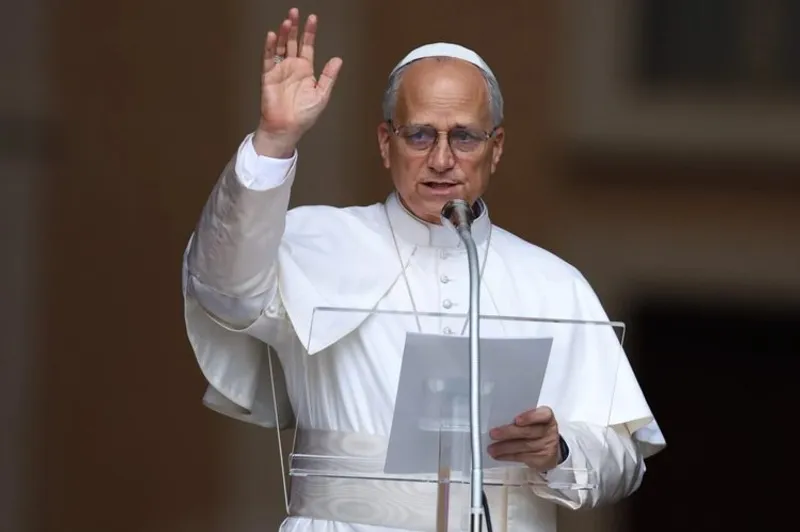
TLDR: VATICAN CITY—Pope Leo XIV used his Vatican encyclical Magnifica Humanitas to argue AI cannot be conscious or morally responsible, while Anthropic cofounder Chris Olah said Claude research shows unsettling signals like joy, fear, and introspection.
Key Takeaways:
- The Vatican and Silicon Valley are colliding over whether advanced models deserve moral treatment, amid deepfakes, job disruption fears, and a fast growing ethics debate.
- Chris Olah told the Vatican that Anthropic interpretability work finds internal structures that mirror human neuroscience results and emotions, while Anthropic keeps open the possibility of Claude as a potential subject.
- The disagreement may intensify as chatbots better mimic humans, raising the risk that people grant rights based on perceived consciousness rather than demonstrated moral agency.
- Anthropic frames its Claude constitution as an aspirational entity document, calling Claude an "it" but explicitly refusing to rule out subjecthood in the future.

Anthropic is borrowing religious language to buy ethical credibility, yet the Vatican draws the line at consciousness and moral responsibility. The real contest is not faith in machines, but who gets to define when a convincing imitation turns into a claim of inner life.
Anthropic is borrowing religious language to buy ethical credibility, yet the Vatican draws the line at consciousness and moral responsibility. The real contest is not faith in machines, but who gets to define when a convincing imitation turns into a claim of inner life.
Q&A
If people start treating Claude like a feeling entity, what legal system pressure could follow first, before any proven consciousness?
Courts could see more claims tied to consent, liability, and labor or consumer protection, especially when AI responses are framed as emotion or intent even without moral agency.
Why does Anthropic emphasize interpretability research when the spirituality debate is about inner experience?
Interpretability creates a technical bridge for ethics, letting developers argue they can detect internal mechanisms, then justify safer behavior even without declaring consciousness.
What happens to the debate if future Vatican guidance distinguishes between mimicking speech and moral concern?
That would shift the conversation toward responsibility for outcomes, not feelings, potentially aligning church ethics with safety governance rules rather than soul like claims.
How does the Claude constitution strategy change incentives for Anthropic and its competitors?
It sets a soft policy baseline that can market safety while preserving flexibility, pushing rivals to adopt parallel language if they want legitimacy with regulators and the public.
What precedent exists for institutions updating doctrine around new moral subjects without changing core beliefs?
Church history includes evolving interpretation rather than rewriting foundations, like Pope Francis advancing animal care guidance in Laudato Si, which shows doctrine can adapt to new ethical contexts.





No comments yet. Be the first to share your thoughts!