
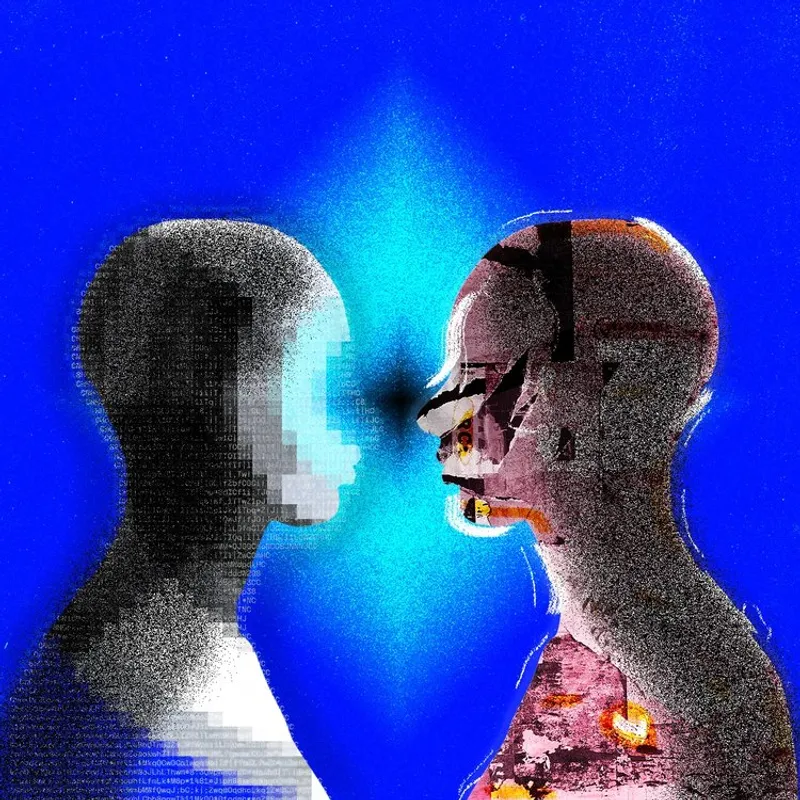
TLDR: LONDON—A WIRED fact-checker argues AI systems get factuality wrong about half the time, with studies estimating 40 to 60 percent inaccuracy. The result is clear: humans must still verify claims and sources.
Key Takeaways:
- Context: Search AI Overviews and chatbots reshape how people find facts, pushing truth checks from readers onto machines
- Main fact: Wired says its own Google-based AI Overviews are wrong about a third of the time, while Tow Center and BBC studies land around 60 percent and 45 percent
- Meaning: Even strong benchmarks like RealFactBench at 73 percent still fail on most real claims, so Full Fact and WIRED rely on human verification

AI is speeding up the early steps of finding sources, but it still stumbles at the moment that matters: proving a claim is true. Fact-checking is turning into a human led audit, not a machine replacement.
AI is speeding up the early steps of finding sources, but it still stumbles at the moment that matters: proving a claim is true. Fact-checking is turning into a human led audit, not a machine replacement.
Q&A
If AI Overviews are wrong often, why do they still feel authoritative to readers
Because they look like search results with structure and certainty, AI can present confident summaries even when the underlying claims fail basic verification.
What changes when fact-checking shifts from post hoc debunking to preemptive verification
Editorial workflows move earlier in the information pipeline, which can reduce harm but also increases pressure to verify faster with fewer primary sources.
Why do LLMs produce plans of attack they do not actually execute
Many models are optimized to generate plausible next steps from patterns, and they may not have tool access or grounding to perform the verification they describe.
How should fact-checkers and journalists use AI without outsourcing accountability
Use AI to locate candidates for verification, then require human review of every source, especially quotes, statistics, and document level evidence.
What happens to public trust if AI keeps claiming high accuracy on tests that do not match real life
People may trust model confidence more than evidence, widening the gap between benchmark performance and everyday factual reliability.
Top in AI

Illinois Legislature OKs SB 315, forcing AI third party audits

Pymetrics AI screening rejects Black and Asian applicants more

Argonne turns spare supercomputers into private AI inference portal

Snowflake commits $6B to AWS Graviton for AI execution

No comments yet. Be the first to share your thoughts!