
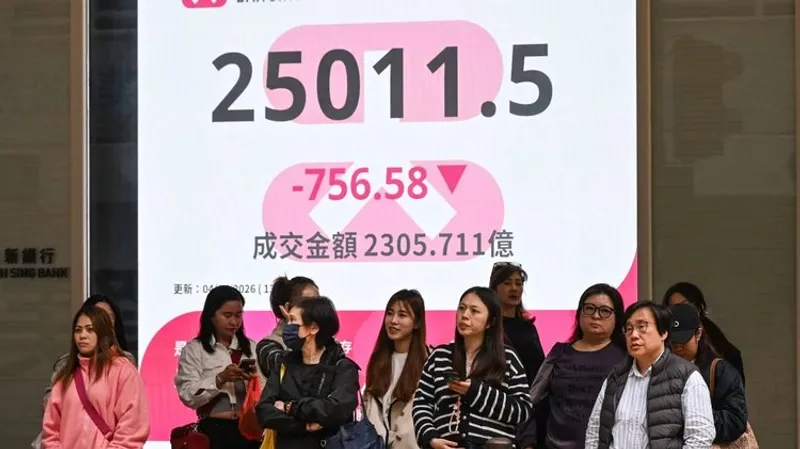
TLDR: HONG KONG—Zhipu AI and MiniMax Group will join the Hang Seng Tech Index next month, after investor criticism that the benchmark missed the AI boom. J&T Global Express, Aluminum Corp of China, and BeOne Medicines also get added to key Hang Seng benchmarks.
Key Takeaways:
- Investors criticized Hong Kong’s main tech benchmark for lagging as global AI leaders surged.
- MiniMax Group and Zhipu AI join the Hang Seng Tech Index next month, while J&T Global Express, Chinalco, and BeOne Medicines enter Hang Seng benchmarks.
- More AI exposure could reshape trading flows and tighten Hong Kong indexes’ link to global AI momentum.

Hong Kong’s tech benchmark is finally admitting what traders noticed in silence: AI is driving returns elsewhere. Inclusion can pull attention fast, but it also raises the bar for real earnings, not just hype.
Hong Kong’s tech benchmark is finally admitting what traders noticed in silence: AI is driving returns elsewhere. Inclusion can pull attention fast, but it also raises the bar for real earnings, not just hype.
Q&A
How might index inclusion change day to day trading for MiniMax and Zhipu AI in Hong Kong?
Index adds often attract passive and benchmark hugging demand, which can increase liquidity and tighten spreads around the effective inclusion date.
What happens if the new AI names underperform after joining the Hang Seng Tech Index?
The index can still drive more ownership, but persistent weak results may shift investor sentiment toward the next batch of AI stories.
Why did investors target the Hang Seng Tech Index instead of simply buying AI stocks directly?
A benchmark shapes expectations for what counts as the market. When it excludes a theme, it can distort sentiment and capital allocation.
Could this inclusion signal a broader shift in how Hong Kong defines “technology”?
Likely. If AI is now treated as core, future additions may favor data and platform businesses over older, narrower tech categories.
Historically, do benchmark changes tend to improve long term outcomes for markets or just create short term noise?
They often do both. The mechanical buying can spike attention immediately, while long term effects hinge on whether profits and policy support keep pace with investor enthusiasm.




No comments yet. Be the first to share your thoughts!