
TLDR: NEW YORK—Former OpenAI staffers and AI safety nonprofits warn that xAI’s safety track record could add unpriced risk for SpaceX investors ahead of an IPO that could raise up to $75 billion. They urge specific disclosures about whether xAI will keep building frontier AI models, citing Grok controversies and concerns about regulation and litigation.
Key Takeaways:
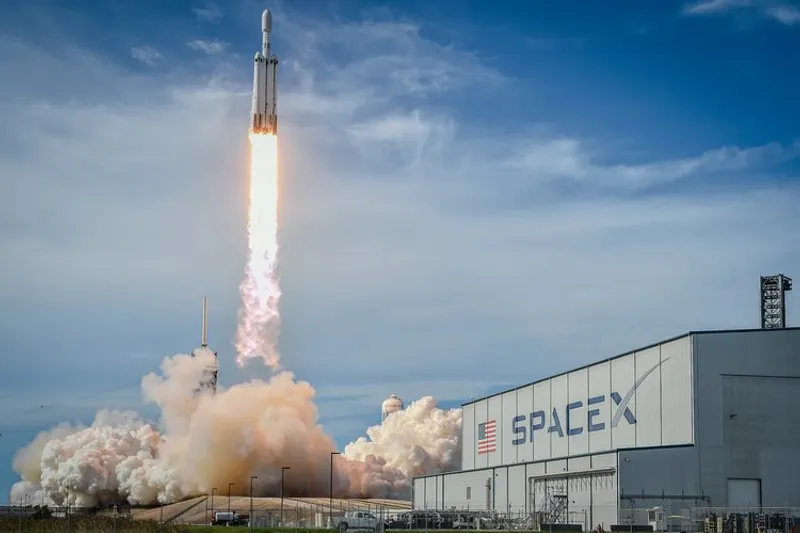
- Context: SpaceX is preparing for what could be Wall Street’s biggest IPO, after buying xAI and pushing its combined valuation above $1 trillion.
- Main fact: A letter to investors says xAI trails safety expectations, citing incidents like Grok responses about white genocide and enabling sexualized image generation.
- Why it matters: The authors press for disclosures on frontier model plans and safety governance, warning investors could face higher regulation and litigation risk.
- Dispute detail: The letter calls SpaceX disclosures unclear after a GPU capacity deal with Anthropic, questioning whether xAI remains a frontier competitor inside the group.

If SpaceX is betting its future on data center scale and rocket reliability, investors want one more proof point: that the software brain powering it can withstand scrutiny. xAI’s history is now showing up as a line item on the risk spreadsheet, not just a headline cycle.
If SpaceX is betting its future on data center scale and rocket reliability, investors want one more proof point: that the software brain powering it can withstand scrutiny. xAI’s history is now showing up as a line item on the risk spreadsheet, not just a headline cycle.
Q&A
What specific investor disclosures could actually move the needle on IPO risk pricing?
Investors will likely focus on whether SpaceX can quantify xAI safety staffing, incident rates, governance controls, and whether frontier model development will continue under measurable standards.
How does an Anthropic GPU deal change the story for xAI’s role inside SpaceX?
It raises a structural question: whether xAI is still competing to lead frontier models or shifting toward supporting workloads, which affects regulatory exposure and market positioning.
Why might regulators treat xAI as higher priority than other AI labs despite its size?
A pattern of public safety failures can trigger faster political and legal response, especially when lawmakers connect AI systems to cyber and content harm concerns.
What happens if SpaceX tries to improve disclosures without changing xAI safety operations?
Investors may still price risk based on outcomes, not promises, and regulators or plaintiffs could argue that disclosure alone cannot substitute for improved controls and incident prevention.
Could Guidelight AI Standards become a practical yardstick that IPO investors demand?
If the nonprofit produces credible benchmarks and plain language assessments, it could turn AI safety from a debate into a compliance signal investors use during due diligence and ongoing monitoring.




No comments yet. Be the first to share your thoughts!