
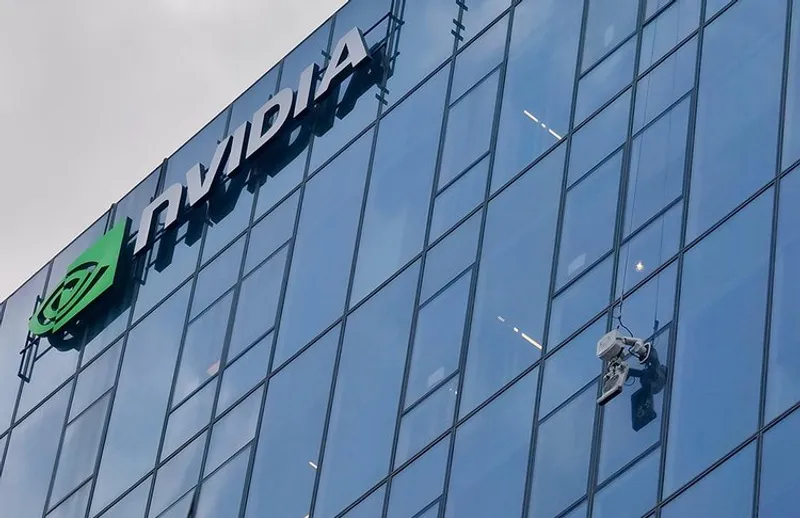
TLDR: TEL AVIV, Israel—Verobotics deployed an edge AI façade cleaning robot across NVIDIA’s Israel campus, covering about 100,000 sq. ft. and 3,000 windows. It completed roughly 60 percent robotically, captured 20,000 images, and flagged 40 anomalies, reducing work at height while building a data trail for predictive maintenance.
Key Takeaways:
- The job targeted high rise exterior risk where manual façade inspections are periodic, access limited, and expensive, starting with cleaning as the practical entry point.
- In a live environment with heavy contamination near an active construction site, Verobotics used NVIDIA Jetson edge AI and a hybrid model, finishing 60 percent robotically and processing 20,000 images.
- The images become a longitudinal intelligence layer for anomaly detection and deterioration tracking, shifting façade robotics toward earlier intervention instead of emergency repairs.

Cleaning robots are easy to sell when the goal is shiny windows. The real leap here is turning routine work into a growing dataset that helps buildings warn on problems before they become incidents.
Cleaning robots are easy to sell when the goal is shiny windows. The real leap here is turning routine work into a growing dataset that helps buildings warn on problems before they become incidents.
Q&A
What makes hybrid operation more likely to succeed than full autonomy in façade work?
Live exteriors throw glare, wind, debris, and inconsistent surfaces at perception systems. A hybrid model lets robots handle repeatable cleaning while humans step in when conditions exceed autonomous thresholds.
How does capturing 20,000 images change the business beyond one maintenance cycle?
Each pass creates a time series of the façade, enabling longitudinal analysis for anomaly detection and deterioration trends that can feed predictive maintenance models over time.
Why does proximity to construction matter for robotics performance and data quality?
Nearby active work increases dirt load, debris type, and contamination patterns. That stress test also yields tougher training and validation data for robustness in real operating conditions.
If traditional inspections are periodic, what new failure mode becomes easier to catch with continuous scanning?
Subtle early deterioration in joints, panels, and sealants can be missed between visits. More frequent observation improves the odds of spotting change before it escalates into water intrusion or structural repair.
What has to happen for façade intelligence to influence long term repair decisions?
Operators need repeatable inspection scheduling, consistent imaging conditions, and clear thresholds for escalation. Over time, anomaly histories can support engineering review prioritization and budgeting decisions.





No comments yet. Be the first to share your thoughts!