
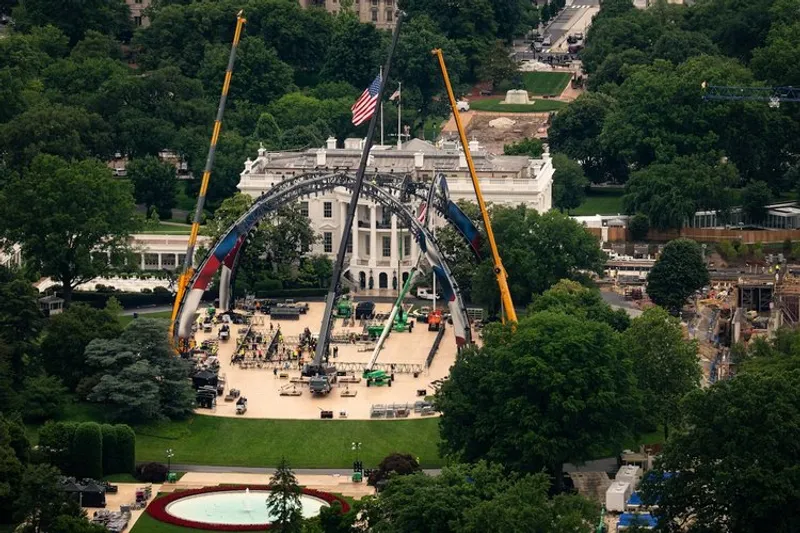
TLDR: WASHINGTON—Workers started building the UFC Freedom 250 ring at the White House for June 14. Critics say Trump and UFC control access, while taxpayers may foot security for the $60 million spectacle.
Key Takeaways:
- The UFC plans UFC Freedom 250 on Flag Day, with an octagonal cage on the White House lawn and big screens at the Ellipse.
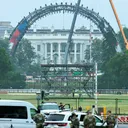
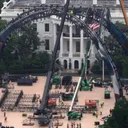
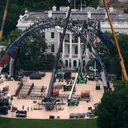
- Trump says the venue fits 4,500 fans and released images show the cage and star arch. Ticket distribution is tightly managed by Trump and UFC leadership.
- Security costs could land on taxpayers, while sponsorship ringside packages reach $1.5 million and the money trail stays unclear. Opposition calls it a political cash grab.

Nothing says civic theater like a fight promotion engineered in plain sight and funded by everyone but explained by no one. If the ring is on the lawn, accountability should be too.
Nothing says civic theater like a fight promotion engineered in plain sight and funded by everyone but explained by no one. If the ring is on the lawn, accountability should be too.
Q&A
What happens if ticket control sparks legal challenges over who can attend?
Expect scrutiny of seat allocation rules, especially if foreign leaders or prominent business figures are granted access. Any lawsuit would likely focus on transparency and potential misuse of event access.
Why does the security funding split matter more than the $60 million figure?
The headline cost can blur the real issue when taxpayers absorb security. Even if UFC pays for construction, government costs can still dominate the public burden.
How could the National Mall programming affect public backlash or logistical disruptions?
Weigh ins at the Lincoln Memorial, fan events on the National Mall, plus fireworks and a light show can strain traffic, policing, and access. That can turn a novelty event into a daily headache for nearby communities.
What does UFC paying for the ring but not security suggest about bargaining power?
It implies UFC can lock in venue access and promotional spectacle while offloading the highest risk expense to government. That imbalance can strengthen the criticism that profits stay private and costs stay public.
If this model succeeds, what precedent does it set for future major events at federal landmarks?
It could normalize high profile promotions on iconic grounds, prompting more attempts to combine politics, entertainment, and corporate branding. Future requests would face fewer barriers, unless transparency standards tighten.

No comments yet. Be the first to share your thoughts!