
Trump’s White House Correspondents Dinner return restarts security debate
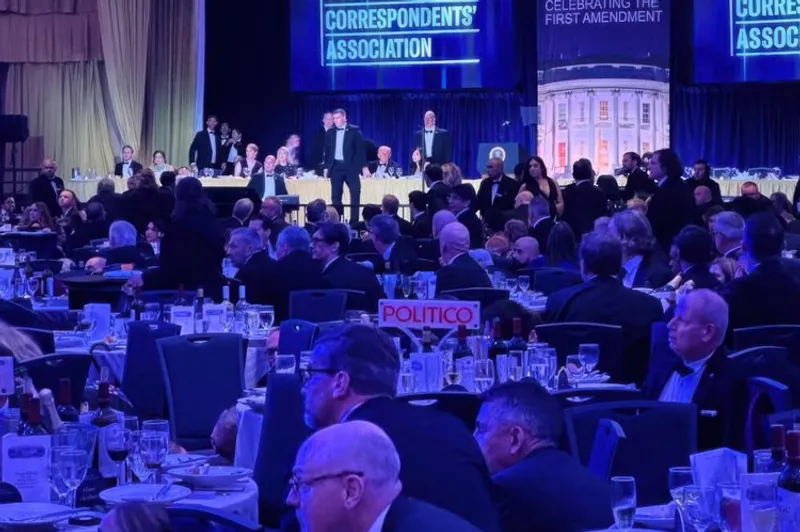
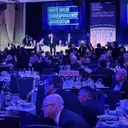
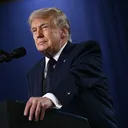
TLDR: WASHINGTON—The White House Correspondents Association rescheduled its dinner to July 24 with Donald Trump attending at the Waldorf Astoria. The move follows a shortened April event after a gunman targeted Trump, and it brings significantly enhanced safety and new access procedures.
Key Takeaways:
- After an April attack that prosecutors say targeted Donald Trump, the White House Correspondents’ Association chose to delay and redesign the event rather than cancel it.
- Weijia Jiang set the new date for July 24, and Trump said on Truth Social the dinner will be at the Waldorf Astoria Hotel on Pennsylvania Avenue.
- Trump signaling a return for a larger press spectacle collides with critics who argue the dinner blurs lines between journalism and power.

The press is trying to prove that violence does not get the last word. Trump is leaning into the spotlight anyway, turning a safety reset into a message contest with journalists.
The press is trying to prove that violence does not get the last word. Trump is leaning into the spotlight anyway, turning a safety reset into a message contest with journalists.
Q&A
How might the “new access procedures” change who can realistically show up, beyond credentialed press?
Smaller headcounts and stricter screening often shift the guest mix toward officials and outlets with deeper security infrastructure, making the guest list a quiet signal of influence.
Why does Trump framing it as “Strength and Fortitude” matter more than the venue change?
It turns an emergency response into a political narrative. That can shape coverage and audience perception before the first joke gets told.
What precedent does rescheduling after an attack set for high profile political-media events in the US?
US event history shows organizers usually prioritize continuity to avoid rewarding attackers, but tightened security and pared down formats can permanently reshape access and tradition.
If Trump decides not to deliver the “originally intended” speech, what does that signal to reporters and his critics?
Skipping or softening expected attacks would suggest he is calibrating for security and optics, while still keeping the confrontation simmering through attendance itself.
Could critics push for a different model of press engagement that avoids the dinner altogether?
Ethics critiques often lead to alternative formats like stand alone debates, moderated interviews, or off site events that keep the press accountability role without the symbolic socializing.
No comments yet. Be the first to share your thoughts!