
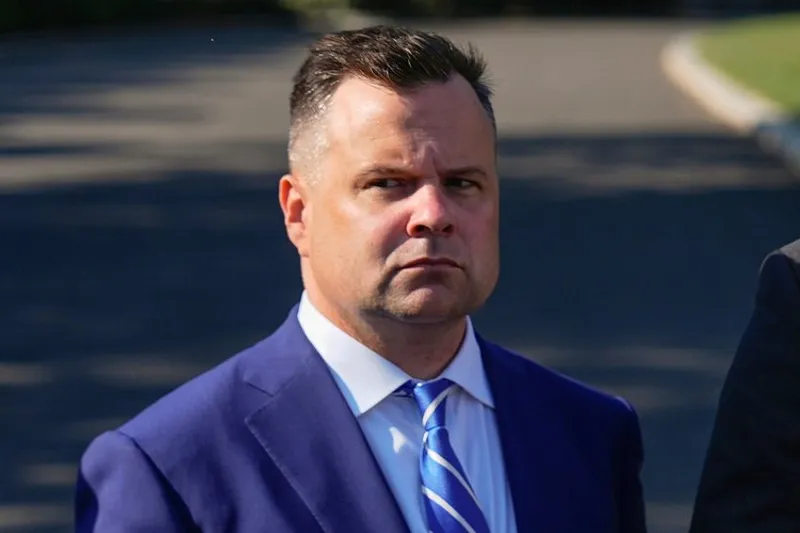
TLDR: WASHINGTON—Trump tapped Bill Pulte as acting DNI, prompting backlash that risks Section 702 FISA renewal before June 12.
Key Takeaways:
- Lawmakers face a looming June 12 deadline to renew Section 702 of FISA, letting US surveillance of foreigners abroad also collect Americans data.
- Democrats and some Republicans warn Bill Pulte lacks intelligence experience and pushed investigations against Trump perceived political enemies.
- Senate Republicans circulating a three year extension without key privacy hawk demands, while vote timing and bipartisan trust erode.

Capitol Hill is treating the acting DNI slot like a courtroom exhibit, not a staffing decision. If trust keeps slipping, spy power renewals will feel less like governance and more like leverage.
Capitol Hill is treating the acting DNI slot like a courtroom exhibit, not a staffing decision. If trust keeps slipping, spy power renewals will feel less like governance and more like leverage.
Q&A
If Section 702 renewal stalls, what fills the surveillance gap first for national security agencies?
Agencies would fall back on other legal authorities and existing collection already in place, but those tools are narrower than Section 702 for targeting foreigners abroad.
Why does Pulte’s intelligence leadership experience matter more to lawmakers than his regulators role?
Lawmakers are being asked to extend privacy sensitive authority, so they weigh operational safeguards experience, not policy credibility in unrelated sectors like housing finance.
What happens to bipartisan negotiations when a nominee becomes a moving target mid deadline cycle?
Commitments weaken because members need to defend their votes with confidence in oversight leadership, and a contested acting director makes that defense harder.
How do privacy hawk demands shape the legislative endgame beyond Section 702 itself?
They set the bargaining baseline for future intelligence bills by establishing which constitutional like constraints Congress insists on, even when timing forces partial deals.
Could the digital currency ban for the Federal Reserve become a model for trading unrelated issues to win FISA votes?
It could, because attaching high visibility provisions gives hardline support a reason to move, but it also risks broadening opposition and turning oversight into package bargaining.



No comments yet. Be the first to share your thoughts!