
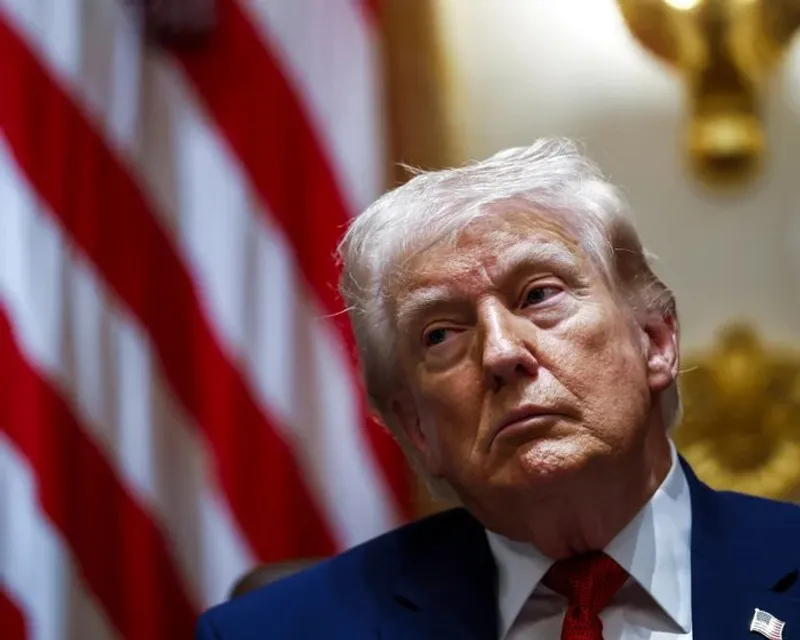
TLDR: WASHINGTON—Heavy rain forced Donald Trump to move a scheduled Camp David cabinet meeting to the White House, where he will host the 12th meeting of his second term on Wednesday. It lands as negotiations to end the nearly three month war with Iran press into a crucial stage amid conflicting signals about whether an agreement is near.
Key Takeaways:
- Camp David has hosted sensitive Middle East talks, including the Israeli Egyptian peace accords, before Trump’s team hit a scheduling weather snag.
- Trump will hold the 12th cabinet meeting of his second term at the White House on Wednesday after postponing a rural Maryland plan.
- The timing underscores how tightly U S internal decision making is tied to shifting Iran negotiation signals and possible ceasefire outcomes.
- The move follows heavy rain disrupting travel plans to rural Maryland, keeping cabinet discussions close to Washington during fast moving diplomacy.

Diplomacy already runs on uncertainty, but weather now gets a seat at the table. The White House shift keeps Trump’s team in Washington while Iran talks swing between optimism and doubt.
Diplomacy already runs on uncertainty, but weather now gets a seat at the table. The White House shift keeps Trump’s team in Washington while Iran talks swing between optimism and doubt.
Q&A
Why does moving a cabinet meeting from Camp David to the White House matter for Iran talks, beyond the weather?
Camp David historically signals heightened privacy for sensitive negotiations. Holding the meeting at the White House keeps principals closer to rapid policy and messaging decisions if the Iran talks suddenly accelerate or stall.
What happens next if U S signals keep diverging on whether an agreement is close?
Divergent signals usually invite more interim steps, like back channel confirmations or narrow ceasefire proposals, because a full final deal can slip even when progress exists.
How does the cabinet meeting timing shape what Trump’s team can publicly say during the Iran negotiations?
A meeting close to the latest negotiating phase lets senior officials align language quickly, reducing the chance of mixed public statements that can harden negotiating positions.
Could the negotiation dynamic change if the war has already lasted nearly three months?
Longer wars raise bargaining incentives on both sides, but they also raise domestic political costs. That combination often makes agreements more likely to be incremental rather than sweeping at first.
What historical lesson from Camp David Middle East diplomacy applies here?
Camp David talks have succeeded when privacy and disciplined follow through matched the negotiating moment. Moving to the White House may reduce the symbolic isolation, but it can increase operational coordination during crisis level diplomacy.



No comments yet. Be the first to share your thoughts!